Modern medical diagnostics rely heavily on accurate blood analysis. Among the many laboratory tests performed worldwide every day, the Complete Blood Count (CBC) remains one of the most frequently ordered. A CBC helps clinicians evaluate overall health, diagnose infections, detect anemia, and monitor many medical conditions.
To obtain reliable results, the blood sample must be collected and preserved correctly. This is where the EDTA K2 Tube plays a critical role. Many laboratories, hospitals, and diagnostic centers prefer this tube for CBC testing because it preserves blood cells effectively without altering their structure.
But why exactly is the EDTA K2 Tube considered the preferred choice for CBC testing? How does it compare with other blood collection tubes? And what makes it essential for hematology laboratories?
This in-depth guide explains everything you need to know about EDTA K2 tubes, including how they work, their advantages, and why they are widely used for CBC testing.
If you’re new to EDTA tubes, the guide available at what is an edta k2 tube explains the basic structure and composition of these tubes.
CBC Testing and Its Importance
Before discussing EDTA tubes, it’s important to understand the purpose of CBC testing.
A Complete Blood Count (CBC) measures several key components of blood, including:
- Red blood cells (RBCs)
- White blood cells (WBCs)
- Hemoglobin levels
- Hematocrit
- Platelet count
- Mean corpuscular volume (MCV)
According to the detailed explanation of the Complete Blood Count available on wiki Complete blood count, CBC testing is one of the most common diagnostic tools used worldwide.
Doctors rely on CBC results to detect many health conditions, such as:
- anemia
- infection
- immune system disorders
- leukemia
- bleeding disorders
Because CBC results depend heavily on cell morphology and count accuracy, the blood sample must remain stable after collection. The EDTA K2 Tube ensures this stability.
What Is an EDTA K2 Tube?
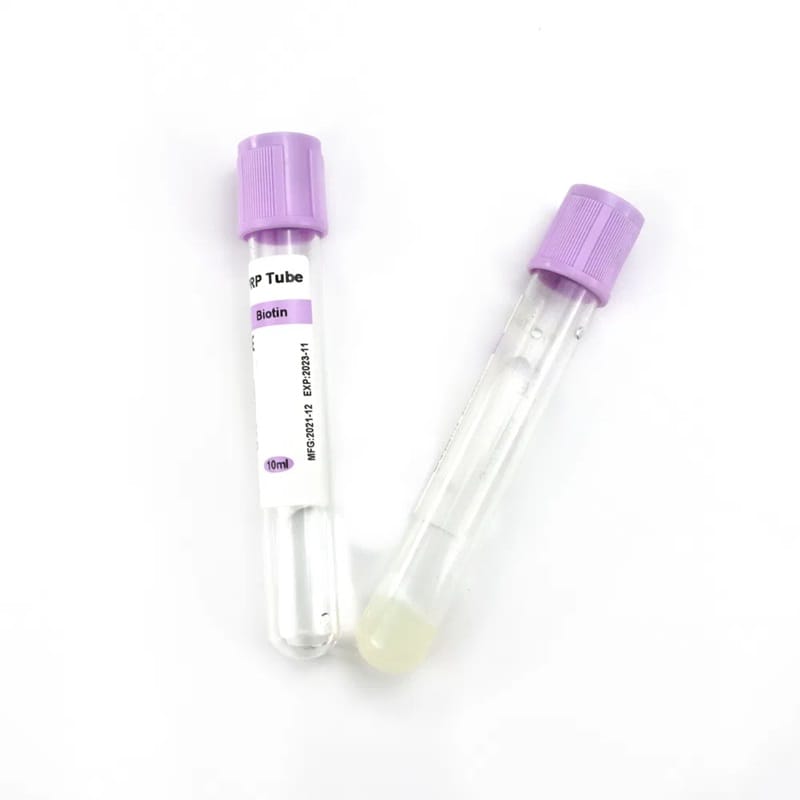
An EDTA K2 Tube is a blood collection tube that contains dipotassium ethylenediaminetetraacetic acid (K2EDTA) as an anticoagulant.
EDTA works by binding calcium ions in blood. Calcium is required for clotting. When EDTA binds calcium, the clotting process stops, keeping the blood sample in a liquid state.
This allows laboratory analyzers to accurately count and examine blood cells.
You can explore a full overview of EDTA tubes at edtatube. Laboratories often choose EDTA tubes specifically designed for hematology. A detailed explanation can also be found in the article edta k2 tube preferred choice for hematology.
Why the EDTA K2 Tube Is Preferred for CBC
Many anticoagulants exist in laboratory medicine, including citrate, heparin, and fluoride. However, hematology laboratories overwhelmingly prefer the EDTA K2 Tube for CBC testing.
Several scientific reasons explain this preference.
Excellent Preservation of Blood Cell Morphology
One of the biggest advantages of the EDTA K2 Tube is its ability to preserve the natural structure of blood cells.
Red blood cells, white blood cells, and platelets remain stable in EDTA-treated samples. This ensures that automated hematology analyzers and microscopic examinations produce accurate results.
Preservation of morphology is essential for diagnosing diseases such as leukemia or anemia.
Prevents Blood Clotting Effectively
The primary function of EDTA is anticoagulation. The EDTA K2 Tube efficiently binds calcium ions and prevents clot formation.
This allows laboratory instruments to perform accurate cell counts without interference.
Compared with other anticoagulants, EDTA causes minimal distortion to blood cells.
Ideal for Automated Hematology Analyzers
Modern diagnostic laboratories rely heavily on automated analyzers.
The EDTA K2 Tube works perfectly with these instruments because:
- it maintains stable cell counts
- it prevents platelet aggregation
- it preserves white blood cell structure
These features ensure consistent CBC results.
Long Sample Stability
Another reason laboratories prefer the EDTA K2 Tube is sample stability.
Blood samples collected in EDTA tubes remain stable for several hours at room temperature. In many cases, samples can remain reliable for up to 24 hours when stored correctly.
This is especially useful in busy laboratories where samples may not be processed immediately.
Recommended by Clinical Standards
Clinical laboratory guidelines recommend EDTA tubes for hematology tests. The article edta k2 k3 tube whole blood tube uses
explains how EDTA tubes support reliable whole-blood analysis.
EDTA K2 vs EDTA K3 Tubes
Many professionals ask whether K2 or K3 EDTA tubes are better for CBC testing.
Both tubes contain EDTA anticoagulant. However, they differ slightly in chemical composition and performance.
| Feature | EDTA K2 Tube | EDTA K3 Tube |
|---|---|---|
| Anticoagulant form | Dipotassium EDTA | Tripotassium EDTA |
| Cell preservation | Excellent | Good |
| Cell shrinkage risk | Very low | Slightly higher |
| Hematology accuracy | Highly preferred | Acceptable |
Most laboratories choose the EDTA K2 Tube because it maintains cell morphology better and reduces cellular distortion.
Sizes of EDTA K2 Tubes Used for CBC
Blood collection tubes are available in multiple sizes to accommodate different laboratory needs.
Common sizes include:
| Tube Size | Typical Use |
|---|---|
| 2 ml | Pediatric testing |
| 3 ml | Standard CBC |
| 4 ml | Routine hematology |
| 5 ml | Extended tests |
| 6 ml | Specialized analysis |
| 10 ml | High-volume testing |
The guide edta tube sizes explained 2ml 3ml 4ml 5ml 6ml 10 explains the different EDTA tube sizes in detail.
If laboratories require larger quantities for high-throughput testing, bulk options such as 10ml edta k2 tubes bulk
are often used.
How EDTA K2 Tubes Are Used in CBC Testing
Proper sample handling is essential for accurate hematology results.
The process usually follows these steps.
Blood Collection
A healthcare professional draws blood from a vein using a sterile needle. The blood flows directly into the EDTA K2 Tube, where the anticoagulant immediately prevents clotting.
Mixing the Sample
After collection, the tube must be gently inverted several times to mix the EDTA with the blood.
Improper mixing may cause clot formation or inaccurate results. A practical guide on correct tube handling can be found here how to use an edta tube.
Laboratory Analysis
Once the sample reaches the laboratory, automated analyzers perform CBC testing. These instruments measure cell counts, hemoglobin concentration, and other parameters.
Because the EDTA K2 Tube preserves blood cell integrity, the results remain reliable.
Choosing the Right EDTA Tube for Your Laboratory
Selecting the correct blood collection tube is essential for laboratory efficiency.
Several factors influence the choice of EDTA tubes:
- testing volume
- analyzer compatibility
- storage requirements
- patient population
Laboratories can refer to the guide how to choose the right edta tube for your lab. Another helpful resource discussing tube selection is available here how to select the right edta tube size for your.
These guides explain how laboratories determine the most appropriate EDTA K2 Tube size and type.
Global Manufacturing and Quality Standards
High-quality EDTA tubes must meet strict manufacturing standards to ensure safety and accuracy.
Medical device manufacturers produce these tubes under controlled conditions using medical-grade materials.
You can explore additional technical information on EDTA blood collection tubes through the educational resource edta tube
Manufacturers also share insights and laboratory tutorials on their educational channel youtube@sinymedical
Professional laboratory suppliers can also be reviewed through platforms such as sinymedical.en.made-in-china.com
These resources help laboratories evaluate reliable suppliers.
Future Trends in EDTA Blood Collection Tubes
Diagnostic technology continues to evolve rapidly. Blood collection tubes are also improving.
Some trends shaping the future of EDTA tubes include:
- improved anticoagulant coating technologies
- enhanced tube materials for sample stability
- automation-friendly tube designs
- environmentally friendly manufacturing
The article future of edta blood collection tubes 2026 explores these developments in greater detail.
As laboratory automation increases worldwide, the EDTA K2 Tube will likely remain the standard for hematology testing.
Where to Find Reliable EDTA K2 Tubes
Hospitals and laboratories must purchase tubes from trusted suppliers. You can explore available EDTA tube options through the product catalog products. Specific EDTA tube categories can also be viewed here product category edta tube. If laboratories require expert assistance or bulk orders, they can contact the supplier directly at contact us.
Summary
The EDTA K2 Tube remains the preferred blood collection tube for CBC testing in modern laboratories. Its ability to prevent clotting while preserving blood cell structure makes it ideal for hematology analysis.
Compared with other anticoagulant tubes, the EDTA K2 tube provides excellent cell preservation, high analytical accuracy, and compatibility with automated analyzers. These advantages explain why hospitals and diagnostic laboratories around the world rely on it for routine blood testing.
As medical technology advances, the EDTA K2 Tube will likely continue to play a central role in laboratory diagnostics.
FAQs
Why is the EDTA K2 Tube used for CBC testing?
The EDTA K2 Tube is used for CBC testing because it prevents blood clotting while preserving blood cell structure. This allows laboratory analyzers to accurately count red blood cells, white blood cells, and platelets.
What color cap is typically used for EDTA K2 tubes?
Most EDTA K2 Tube blood collection tubes have a lavender or purple cap. This color indicates that the tube contains EDTA anticoagulant and is intended for hematology tests such as CBC.
Can EDTA K2 tubes be used for other tests?
Yes. Although the EDTA K2 Tube is mainly used for CBC testing, it may also be used for certain molecular diagnostics, blood typing, and some specialized hematology analyses.
How should EDTA K2 tubes be stored after blood collection?
After collection, the EDTA K2 Tube should be gently mixed and stored at room temperature. Laboratories should analyze samples within several hours to maintain optimal accuracy.
What happens if an EDTA tube is not mixed properly?
If the EDTA K2 Tube is not mixed correctly after blood collection, small clots may form. These clots can interfere with CBC results and cause inaccurate cell counts.