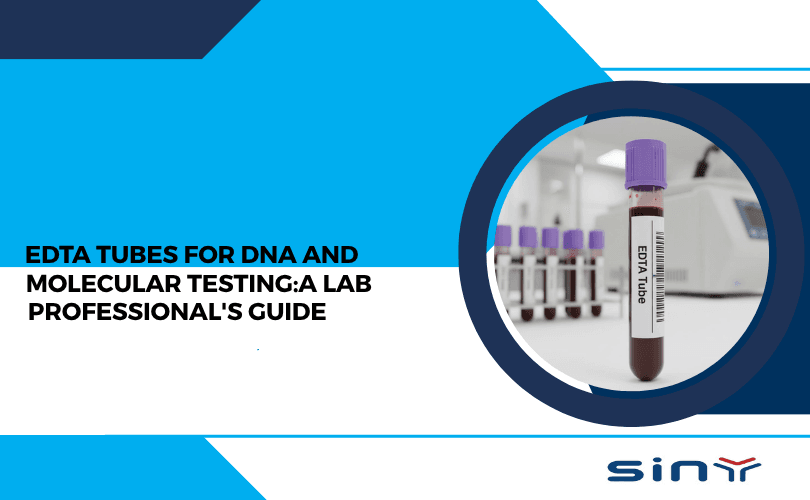
Modern molecular diagnostics depend heavily on sample quality. No matter how advanced a PCR platform, sequencing instrument, or genetic testing workflow becomes, results can only be as reliable as the specimen collected at the beginning of the process.
That is why Edta Tubes for DNA Testing have become the preferred blood collection solution in molecular laboratories worldwide. From genetic screening and forensic analysis to next-generation sequencing (NGS) and disease research, EDTA tubes help preserve nucleated blood cells and maintain DNA integrity during transport and storage.
As molecular diagnostics continues to expand, laboratories need a deeper understanding of how EDTA tubes contribute to successful DNA extraction, amplification, and analysis. This guide explains everything laboratory professionals should know about selecting, handling, and optimizing EDTA tubes for molecular applications.
Why Edta Tubes for DNA Testing Are the Industry Standard
DNA testing requires blood samples that remain stable from collection through analysis. Any degradation, contamination, or clotting can negatively affect downstream testing.
EDTA, or Ethylenediaminetetraacetic Acid, functions as an anticoagulant by binding calcium ions in the blood. Without calcium, the clotting cascade cannot proceed. This simple mechanism provides several major advantages for molecular testing.
First, EDTA preserves white blood cells, which contain the genomic DNA required for analysis. Second, it minimizes clot formation, reducing sample loss.
Third, it protects DNA from degradation caused by certain enzymes that require metal ions to function.
Because of these benefits, many laboratories rely on specialized Edta Tubes for DNA Testing when collecting specimens for:
- Genetic testing
- PCR analysis
- Next-generation sequencing
- Pharmacogenomics
- HLA typing
- Molecular diagnostics
- Research studies
- Biobanking applications
For a detailed overview of available tube options, visit the EDTA Tube product collection at edta tube.

How EDTA Protects DNA
The science behind EDTA is surprisingly straightforward. DNA-degrading enzymes called nucleases require magnesium and calcium ions to function properly. EDTA chelates these ions and effectively disables many enzymatic activities that can damage DNA.
As a result, DNA remains more stable during transportation and storage. This stability is particularly important when specimens travel long distances or when immediate extraction is not possible.
Laboratories performing molecular testing often process thousands of samples each week. Maintaining consistent DNA quality across all specimens helps improve analytical accuracy and reduces repeat testing.
The Growing Importance of DNA Testing
DNA testing is no longer limited to research facilities. According to industry reports, the global molecular diagnostics market continues to grow rapidly, driven by personalized medicine, cancer diagnostics, infectious disease detection, and inherited disease screening.
Many healthcare systems now incorporate molecular testing into routine patient care. Consequently, demand for reliable blood collection devices has increased significantly.
Laboratories require collection tubes that preserve samples from collection through analysis. This need has strengthened the role of Edta Tubes for DNA Testing across clinical and research environments.
K2EDTA vs K3EDTA: Which Is Better for DNA Testing?
One of the most common questions laboratory professionals ask concerns the difference between K2EDTA and K3EDTA tubes.
Both anticoagulants perform the same basic function. However, there are important distinctions.
| Feature | K2EDTA | K3EDTA |
|---|---|---|
| Physical Form | Spray-dried | Liquid |
| Sample Dilution | Minimal | Slightly higher |
| Molecular Testing Preference | Preferred | Acceptable |
| DNA Yield Consistency | Excellent | Good |
| Laboratory Standardization | Easier | Moderate |
Most molecular laboratories prefer K2EDTA tubes because the spray-dried anticoagulant minimizes specimen dilution.
For this reason, K2EDTA has become the preferred option in many DNA extraction workflows. More information about DNA-specific applications can be found in this guide edta tubes for dna testing
Why Heparin Tubes Are Often Avoided
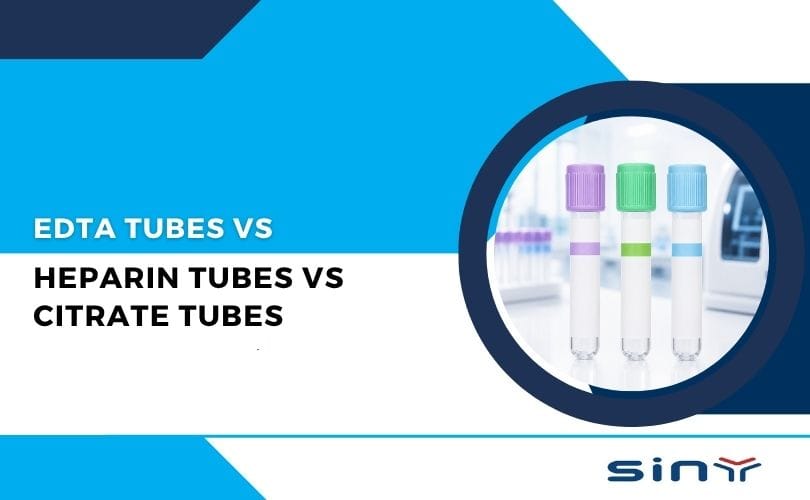
Many new laboratory technicians wonder whether heparin tubes can be substituted for EDTA tubes. The answer is generally no. Heparin may interfere with PCR amplification by inhibiting DNA polymerase activity. Even small amounts of residual heparin can affect molecular assay performance. The following comparison illustrates why laboratories prefer EDTA.
| Tube Type | DNA Extraction | PCR Compatibility |
|---|---|---|
| EDTA Tube | Excellent | Excellent |
| Heparin Tube | Variable | May Inhibit PCR |
| Serum Tube | Poor | Limited |
| Citrate Tube | Acceptable | Less Common |
Because PCR remains one of the most widely used molecular techniques, Edta Tubes for DNA Testing remain the preferred collection method.
Selecting the Right Tube Volume
Tube size plays an important role in DNA yield and testing flexibility. The amount of blood required depends on the application, extraction method, and patient population.
2 mL EDTA Tubes
Small-volume tubes are often used for:
- Pediatric patients
- Neonatal testing
- Limited blood draw situations
3–5 mL EDTA Tubes
These represent the most common options for routine molecular diagnostics. Most PCR and genetic testing workflows perform well with this volume range.
6–10 mL EDTA Tubes
Larger tubes are preferred when:
- Multiple tests are required
- Biobanking is planned
- High DNA yield is necessary
- Sequencing projects require substantial input material
Helpful sizing resources include sizes explained 2ml 3ml 4ml 5ml 6ml 10
Proper Blood Collection Practices
Even the best tube cannot compensate for poor collection technique. Pre-analytical errors account for a significant percentage of laboratory testing issues. To maximize performance of Edta Tubes for DNA Testing, laboratory professionals should: Collect specimens using approved venipuncture techniques. Fill tubes to the recommended volume. Immediately invert tubes gently several times. Avoid vigorous shaking. Ensure accurate labeling. Transport specimens according to laboratory protocols. Following these simple steps helps preserve sample quality and reduce testing failures.
Storage Conditions and DNA Stability
Proper storage significantly impacts DNA quality. Although EDTA preserves nucleated cells, samples should not remain at inappropriate temperatures for extended periods.
Most laboratories process samples within 24 to 72 hours after collection. Typical recommendations include:
| Storage Condition | Recommended Use |
|---|---|
| Room Temperature | Short-term transport |
| Refrigerated 2–8°C | Preferred storage |
| Frozen Whole Blood | Generally Avoided |
| Purified DNA Frozen | Long-term storage |
Every laboratory should establish validated stability studies that reflect its specific workflow.
Errors That Reduce DNA Quality
Many DNA extraction failures originate before samples reach the molecular laboratory. Common issues include:
Underfilled Tubes
Excess anticoagulant concentration may affect sample quality.
Improper Mixing
Insufficient mixing can allow microclot formation.
Delayed Processing
Extended storage may decrease DNA integrity.
Incorrect Tube Selection
Using non-validated collection devices can create variability.
Temperature Exposure
Extreme temperatures may damage cellular components before extraction. Reducing these errors helps laboratories improve consistency and maintain accreditation standards.
Applications of Edta Tubes for DNA Testing
The versatility of EDTA tubes makes them suitable for a wide range of molecular applications.
Clinical Genetics
Healthcare providers increasingly rely on genetic testing for inherited disorders.
Oncology Testing
Cancer diagnostics often require molecular profiling.
Pharmacogenomics
DNA testing helps identify how patients metabolize medications.
Infectious Disease Research
Many pathogen studies use DNA extracted from blood samples.
Population Genetics
Large-scale genetic research projects depend on standardized blood collection methods.
Biobanking
Long-term specimen repositories commonly utilize EDTA-collected blood.
The Future of Molecular Blood Collection
Molecular diagnostics continues to evolve rapidly. Automation, liquid biopsy technologies, and precision medicine are reshaping laboratory workflows.
However, despite these innovations, blood collection remains the critical first step. Manufacturers continue improving collection tube technologies to enhance specimen preservation and laboratory efficiency.
Future developments are discussed in future of edta blood collection tubes 2026 As molecular testing becomes increasingly sophisticated, the importance of reliable Edta Tubes for DNA Testing will only continue to grow.
Sumarry
As molecular diagnostics becomes a cornerstone of modern healthcare, specimen quality remains more important than ever. Reliable blood collection directly influences DNA yield, PCR success, sequencing accuracy, and overall laboratory efficiency.
For these reasons, Edta Tubes for DNA Testing continue to be the preferred choice for clinical genetics, molecular diagnostics, pharmacogenomics, research studies, and biobanking applications. By selecting the correct tube type, following proper collection procedures, and maintaining validated storage conditions, laboratories can ensure consistent and dependable molecular testing results. For more information, visit EDTA Tube. To discuss your specific requirements or request a quotation, please visit the Contact Us page and get in touch with the EDTA Tube team.
FAQs
Q: Why are EDTA tubes preferred for DNA extraction?
A: Most laboratories choose Edta Tubes for DNA Testing because EDTA prevents clotting and helps preserve white blood cells that contain genomic DNA.
Q: Can EDTA tubes be used for PCR testing?
A: Yes. Edta Tubes for DNA Testing are widely used in PCR workflows because EDTA does not typically interfere with amplification when samples are properly processed.
Q: What is the best EDTA tube size for molecular testing?
A: The ideal volume depends on the application. Most routine Edta Tubes for DNA Testing use 3–5 mL blood collection tubes.
Q: How long can blood remain in an EDTA tube before extraction?
A: Storage limits vary by protocol, but many laboratories process Edta Tubes for DNA Testing within 24–72 hours under refrigerated conditions.
Q: Are K2EDTA tubes better than K3EDTA tubes?
A: Many laboratories prefer K2EDTA-based Edta Tubes for DNA Testing because they provide more consistent anticoagulant distribution and minimal sample dilution.
Q: Can EDTA tubes be used for next-generation sequencing?
A: Yes. Many NGS workflows begin with Edta Tubes for DNA Testing because they help maintain DNA quality during transportation and storage.