Blood collection may seem straightforward, but selecting the correct EDTA tube size can significantly influence sample quality, laboratory efficiency, and testing accuracy. In modern diagnostic laboratories, hospitals, research facilities, and blood collection centers, EDTA tubes remain one of the most widely used blood collection products because they preserve cellular components and prevent clot formation.
However, many healthcare professionals and laboratory buyers often face an important question: Which EDTA tube size should be used for a particular application? Is a 2ml tube sufficient? When is a 3ml tube the better choice? Should a laboratory switch to 5ml tubes for routine hematology testing? And what situations require a 10ml EDTA tube?
Understanding these differences is essential because using the wrong tube volume may result in insufficient samples, incorrect blood-to-additive ratios, repeat collections, and unnecessary costs.
This guide explains every major EDTA tube size, including 2ml, 3ml, 5ml, and 10ml options. It also explores their applications, benefits, limitations, and selection criteria to help laboratories make informed purchasing decisions.
For a complete range of blood collection products, visit EDTA Tube Official Website.
What Is an EDTA Tube?
An EDTA tube is a blood collection tube containing Ethylenediaminetetraacetic Acid (EDTA), an anticoagulant that prevents blood clotting by binding calcium ions.
Because clotting is prevented, blood cells remain intact and suitable for hematology analysis. This makes EDTA tubes the preferred choice for tests such as the Complete Blood Count (CBC) Reference Guide.
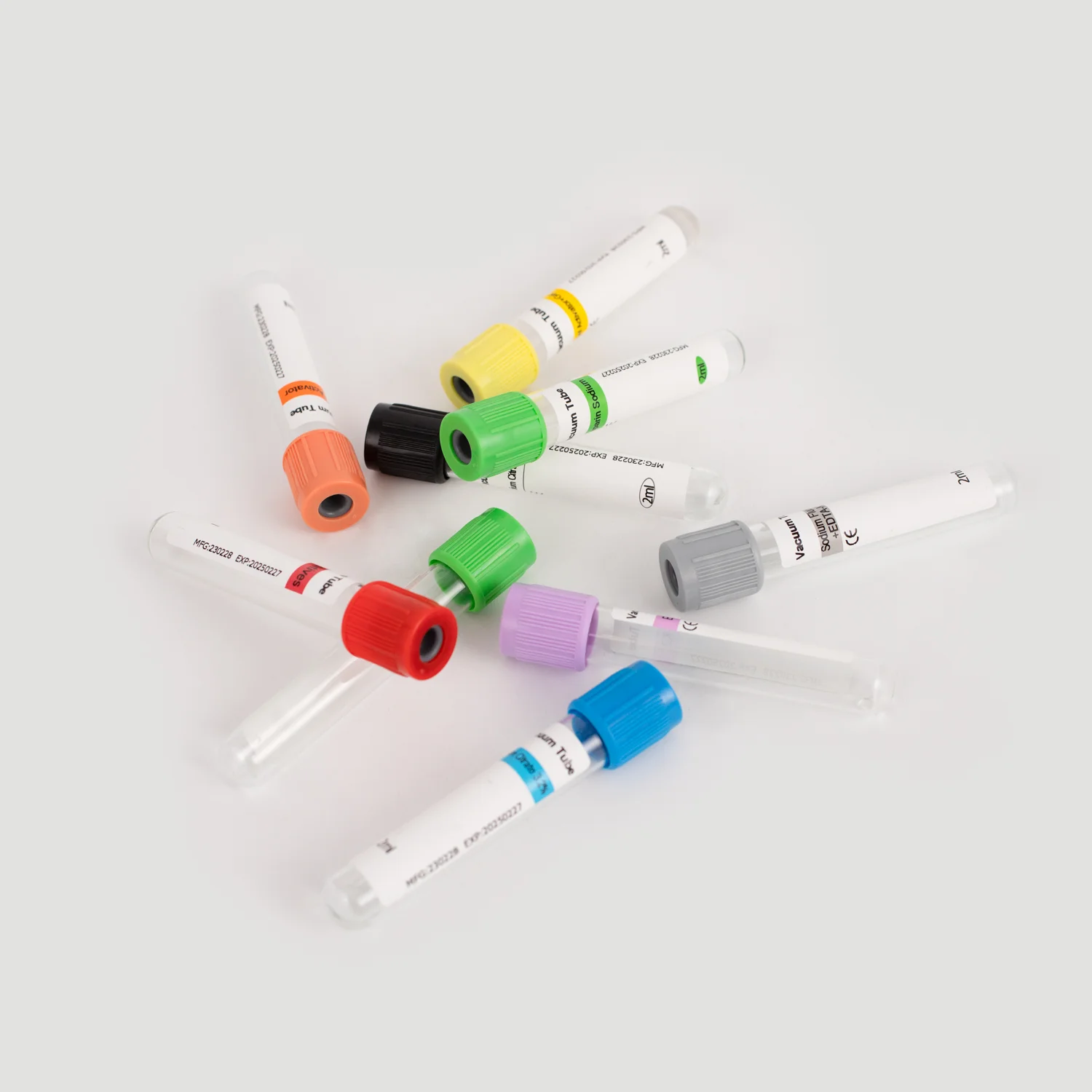
The purple-top or lavender-top tube is widely recognized in laboratories around the world. When filled correctly, it provides reliable results for complete blood counts, blood cell morphology studies, DNA testing, and numerous research applications.
For a detailed explanation of the additive itself, readers can review Why EDTA Is Used as the Additive in Purple Top Tubes.
Why EDTA Tube Size Matters
Choosing the correct EDTA tube size is not simply about collecting more or less blood.
Each tube is designed to maintain a precise blood-to-additive ratio. If too little blood is collected, excess EDTA may affect cell morphology. If too much blood is drawn, anticoagulation may become inadequate.
Laboratories that routinely select the proper EDTA tube volume often experience fewer sample rejections and improved workflow efficiency.
The correct size also affects patient comfort. Pediatric patients, elderly patients, and individuals with difficult venous access often benefit from smaller-volume collection tubes.
EDTA Tube Sizes Available Today
The most commonly used EDTA tube sizes include:
| Tube Size | Typical Use |
|---|---|
| 2ml | Pediatric testing and limited sample collection |
| 3ml | Routine hematology testing |
| 5ml | Standard laboratory applications |
| 10ml | High-volume testing and research |
Although additional sizes are available, these four volumes account for the majority of global EDTA tube usage.
More information can be found in EDTA Tube Sizes Explained 2ml to 10ml.
The 2ml EDTA Tube Size
The 2ml tube is one of the smallest standard EDTA collection options.
Healthcare providers frequently use this EDTA tube size when minimizing blood loss is important. Pediatric clinics, neonatal units, and specialized testing facilities often prefer smaller collection volumes because young patients have limited blood volume.
A 2ml tube is usually sufficient for basic hematology testing. It also reduces patient discomfort because less blood is required during collection.
However, laboratories processing multiple tests from the same sample may find the volume limiting. Additional blood collection may become necessary if extra analyses are requested later.
Many laboratories compare smaller tubes using resources such as Choosing Between 2ml, 3ml, 4ml and 5ml EDTA Tubes.
When Should You Choose a 3ml EDTA Tube?
The 3ml option is often considered the most versatile EDTA tube size in routine diagnostics.
Many hospitals use 3ml tubes as their primary hematology collection tube because they provide sufficient volume for complete blood count testing while avoiding unnecessary blood collection.
A 3ml tube typically offers a practical balance between patient comfort and laboratory flexibility.
For outpatient clinics and diagnostic centers, this volume frequently supports routine CBC testing, differential counts, and additional hematology analyses without requiring larger samples.
As healthcare systems increasingly focus on patient-centered care, many facilities have adopted 3ml tubes to reduce overall blood draw volumes.
Why 5ml EDTA Tubes Remain Popular
The 5ml tube remains a standard choice in many laboratories worldwide.
A 5ml EDTA tube size provides additional sample volume that supports multiple tests from a single collection. This can improve efficiency and reduce repeat venipuncture procedures.
Large hospitals often prefer 5ml tubes because physicians may request additional testing after initial results become available.
The extra volume provides flexibility while maintaining proper anticoagulant performance.
Healthcare facilities seeking detailed guidance often consult What Size EDTA Tube Should You Use: 3ml, 5ml or 10ml?.
The 10ml EDTA Tube Size
The 10ml tube is designed for applications requiring substantial blood volume.
This larger EDTA tube size is commonly used in:
Research laboratories, genetic testing programs, biobanking facilities, epidemiological studies, and specialized diagnostic projects.
A 10ml tube can support multiple analyses from a single specimen, reducing the need for repeated blood collection.
Many laboratories also choose larger tubes when storing samples for future testing or long-term research programs.
Additional information is available in 10ml EDTA Purple Top Tubes Uses and Benefits Guide.
Comparing 2ml, 3ml, 5ml, and 10ml EDTA Tube Sizes
The following comparison helps illustrate the strengths of each option.
| Feature | 2ml | 3ml | 5ml | 10ml |
|---|---|---|---|---|
| Pediatric Use | Excellent | Good | Limited | Rare |
| Routine CBC | Good | Excellent | Excellent | Excellent |
| Multiple Tests | Limited | Moderate | Strong | Excellent |
| Research Applications | Limited | Limited | Good | Excellent |
| Patient Comfort | Excellent | Very Good | Good | Moderate |
| Sample Storage | Limited | Moderate | Strong | Excellent |
This table demonstrates why no single EDTA tube size fits every laboratory requirement.
Factors to Consider When Selecting an EDTA Tube Size
Several factors influence the selection process.
First, laboratories must evaluate the number of planned tests. A facility performing only complete blood counts may not require large-volume tubes.
Second, patient demographics play an important role. Pediatric and geriatric patients often benefit from smaller collection volumes.
Third, transportation and storage requirements should be considered. Larger tubes occupy more space during shipping and storage.
Laboratory managers often review How to Select the Right EDTA Tube Size for Your Laboratory before making purchasing decisions.
How EDTA Works Inside the Tube
The effectiveness of any EDTA tube size depends on the anticoagulant itself.
EDTA prevents blood clotting by binding calcium ions that are necessary for the coagulation process.
Without available calcium, clot formation cannot proceed normally. As a result, blood cells remain suspended and suitable for laboratory examination.
A more detailed scientific explanation is available in How Does EDTA in Purple Top Tubes Work?.
Proper Handling of Different EDTA Tube Sizes
Regardless of volume, proper handling remains critical.
After collection, tubes should be gently inverted several times to mix blood with the anticoagulant. Vigorous shaking should be avoided because it may damage blood cells.
Storage conditions also influence sample quality.
Laboratories should follow guidelines outlined in Proper Handling and Storage of EDTA Tubes.
Correct handling helps preserve sample integrity and improve testing accuracy.
EDTA Tubes and DNA Testing
Many healthcare professionals wonder whether tube size affects DNA testing.
The answer depends largely on testing requirements.
Smaller tubes may provide sufficient DNA material for routine genetic analysis. However, large-scale sequencing projects often require greater sample volumes.
Therefore, selecting the appropriate EDTA tube size becomes important when collecting specimens for molecular diagnostics.
Further guidance is available in Can EDTA Tubes Be Used for DNA Testing?.
Future Trends in EDTA Tube Development
Blood collection technology continues to evolve.
Manufacturers are increasingly focusing on:
Improved additive consistency, better vacuum control, environmentally friendly materials, and enhanced automation compatibility.
As laboratory automation expands worldwide, selecting the correct EDTA tube size will become even more important for workflow optimization.
Industry developments can be explored further in Future of EDTA Blood Collection Tubes 2026.
Choosing the Right Supplier
Product quality directly affects laboratory performance.
Reliable manufacturers provide consistent vacuum levels, accurate additive concentrations, and strict quality control.
Healthcare organizations looking for dependable products can explore EDTA Tube Product Catalog and EDTA Tube Category Page.
Additional industry information is available through Siny Medical EDTA Tubes, Siny Medical Manufacturing Platform, and .
Summmary
Selecting the correct EDTA tube size is a critical step in obtaining reliable laboratory results. While 2ml tubes work well for pediatric applications, 3ml tubes often provide the best balance for routine hematology testing. Meanwhile, 5ml tubes offer additional flexibility, and 10ml tubes support research and high-volume diagnostic applications.
Understanding the strengths of each option helps laboratories improve efficiency, reduce sample rejection rates, and enhance patient care. By matching the tube volume to the intended application, healthcare professionals can ensure optimal sample quality and testing accuracy.
For additional guidance, product information, or purchasing assistance, visit EDTA Tube Contact Page.
FAQs
Q: Which EDTA tube size is best for routine CBC testing?
A: For most laboratories, a 3ml EDTA tube size provides sufficient volume for routine complete blood count testing while minimizing unnecessary blood collection.
Q: Is a 2ml EDTA tube large enough for hematology tests?
A: Yes. A 2ml EDTA tube size is often adequate for basic hematology testing, particularly in pediatric settings.
Q: When should a laboratory use a 5ml EDTA tube?
A: A 5ml EDTA tube size is useful when multiple tests may be performed from the same blood sample.
Q: Why would a laboratory choose a 10ml EDTA tube?
A: A 10ml EDTA tube size is commonly selected for research, biobanking, genetic studies, and large-volume testing applications.
Q: Does EDTA tube size affect test accuracy?
A: The correct EDTA tube size helps maintain the proper blood-to-additive ratio, which contributes to accurate laboratory results.
Q: How can I select the right EDTA tube size?
A: Choosing the proper EDTA tube size depends on patient type, testing requirements, sample volume needs, and laboratory workflow considerations.