Phlebotomy depends heavily on accuracy. Every blood collection tube serves a specific purpose, and using the wrong one can easily affect laboratory results. Among all the color-coded tubes used in hospitals and diagnostic laboratories, the purple-top tube remains one of the most important. Many healthcare students, patients, and even new laboratory technicians often ask what the purple tube used in phlebotomy actually does and why it matters so much in blood testing.
The answer is closely linked to hematology testing and blood preservation. The purple tube contains EDTA, an anticoagulant that prevents blood from clotting after collection. Because it preserves blood cells extremely well, laboratories use it for complete blood counts, blood morphology examinations, DNA testing, and several specialized diagnostic procedures.
Modern healthcare systems process millions of blood samples every day. A large percentage of those samples are collected in purple-top EDTA tubes because reliable blood cell preservation directly affects diagnostic accuracy. Without proper anticoagulation, blood samples may clot, degrade, or become unsuitable for analysis.
This article explains everything you need to know about the purple tube used in phlebotomy, including how it works, why laboratories rely on it, common medical applications, handling procedures, storage recommendations, and the difference between EDTA tubes and other blood collection systems.
To explore professional-grade blood collection products, visit the official EDTA Tube website.
The Purple Tube Used in Phlebotomy
The purple blood collection tube is commonly known as an EDTA tube. EDTA stands for ethylenediaminetetraacetic acid, a chemical additive that prevents clotting by binding calcium in the blood.
Calcium plays a major role in the clotting process. Once EDTA removes calcium activity, blood remains in liquid form long enough for laboratory testing. This simple but highly effective mechanism explains why the purple tube used in phlebotomy is essential for hematology procedures.
Healthcare professionals frequently rely on EDTA tubes because they preserve the natural structure of blood cells better than many other additives. Red blood cells, white blood cells, and platelets remain stable for analysis when technicians handle the sample properly.
According to Wikipedia’s overview of blood collection tubes, EDTA tubes are among the most widely used laboratory collection systems worldwide.
Laboratories use the purple-top tube daily for tests that require whole blood rather than serum or plasma separation.

Why the Purple Tube Used in Laboratories Matters So Much
In phlebotomy, even small collection errors can influence patient diagnosis. That is one reason the purple-top EDTA tube became an industry standard in hematology laboratories.
When blood clots inside a sample tube, technicians cannot properly measure blood cells. Clotted samples often require recollection, which delays diagnosis and frustrates patients.
The purple tube used in hematology testing prevents this problem while preserving cellular detail. Doctors rely on those preserved cells to identify infections, anemia, blood disorders, immune diseases, and many other medical conditions.
Modern automated analyzers also work exceptionally well with EDTA samples. Hospitals process thousands of blood specimens every day, and consistency matters enormously for accurate reporting.
This detailed article about why EDTA purple tube color matters in phlebotomy explains the role of standardized tube identification in laboratory medicine.
What Tests Use Purple-Top Tubes?
The purple-top tube supports a wide range of hematology and molecular diagnostic tests. Although many people associate it only with complete blood counts, its applications extend much further.
Complete Blood Count Testing
A CBC remains one of the most common laboratory tests worldwide. Doctors order CBC analysis during routine health examinations, infection diagnosis, pre-surgical evaluation, and chronic disease monitoring.
The purple tube used for CBC testing helps preserve blood cell size, shape, and distribution. Accurate preservation allows analyzers to measure hemoglobin levels, hematocrit values, white blood cell counts, and platelet numbers with high precision.
Blood Cell Morphology Examination
Pathologists also use EDTA samples to study blood cells under microscopes. Cell appearance often reveals valuable diagnostic clues related to leukemia, anemia, bone marrow disease, or inflammatory disorders.
Because EDTA minimizes cellular distortion, laboratories trust it for morphology analysis.
DNA and Genetic Testing
Molecular laboratories frequently collect genetic samples in EDTA tubes because nucleated cells remain stable for DNA extraction.
This article discussing whether EDTA tubes can be used for DNA testing explains why laboratories prefer EDTA for genetic analysis.
Blood Banking Procedures
Blood banks also depend on purple-top tubes for compatibility testing before transfusions. Accurate blood typing and crossmatching help reduce transfusion risks.
How the Purple Tube Used in Phlebotomy Prevents Clotting
The science behind EDTA tubes is surprisingly straightforward.
Inside the purple-top tube is a carefully measured amount of EDTA anticoagulant. When blood enters the tube, EDTA immediately binds calcium ions. Since calcium supports clot formation, removing it prevents coagulation.
This reaction preserves blood in liquid form while maintaining cellular integrity.
Unlike serum tubes, EDTA tubes do not allow blood to clot naturally. That difference makes them ideal for tests involving direct blood cell analysis.
Proper mixing is extremely important. After collection, healthcare workers gently invert the tube several times to distribute the EDTA evenly. Vigorous shaking damages blood cells and may compromise laboratory accuracy.
This guide explaining how to use an EDTA tube correctly provides more information about proper collection procedures.
Purple Tube Used vs Other Blood Collection Tubes
Many patients notice several colored tubes during blood collection appointments. Each color represents a different additive and laboratory purpose.
The purple-top EDTA tube differs significantly from red, blue, green, and yellow tubes.
Red-top tubes generally contain no anticoagulant. Laboratories allow blood to clot naturally before serum separation. Green-top tubes usually contain heparin, while blue-top tubes support coagulation studies.
The purple tube used in phlebotomy focuses specifically on preserving blood cells for hematology testing.
Healthcare professionals follow strict tube order protocols during blood collection because additive contamination may alter laboratory results.
This resource discussing EDTA tube collection order in phlebotomy protocols explains why tube sequencing matters during venipuncture procedures.
Why EDTA Is Preferred in Hematology Laboratories
Several anticoagulants exist in laboratory medicine, but EDTA remains the preferred choice for hematology testing.
One major reason involves cellular preservation. EDTA maintains blood cell structure better than many alternatives, which improves diagnostic accuracy.
Platelets also remain more stable in EDTA samples. Other anticoagulants sometimes cause platelet clumping, leading to inaccurate counts.
The purple tube used in automated analyzers also supports faster laboratory workflow. Modern hospitals process enormous testing volumes every day, and EDTA consistency improves efficiency.
Additionally, EDTA samples transport relatively well between collection centers and centralized laboratories.
The Role of Tube Size in Blood Collection
Not every patient requires the same sample volume. Pediatric patients, specialized laboratory departments, and emergency units often use different tube sizes depending on testing requirements.
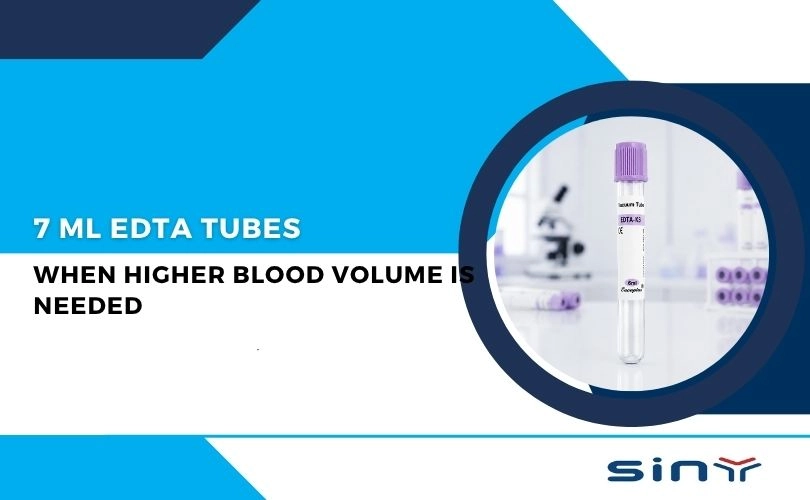
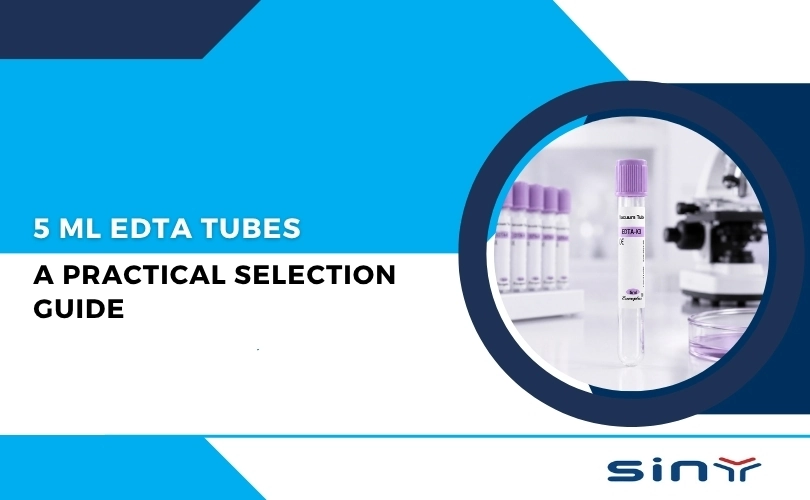
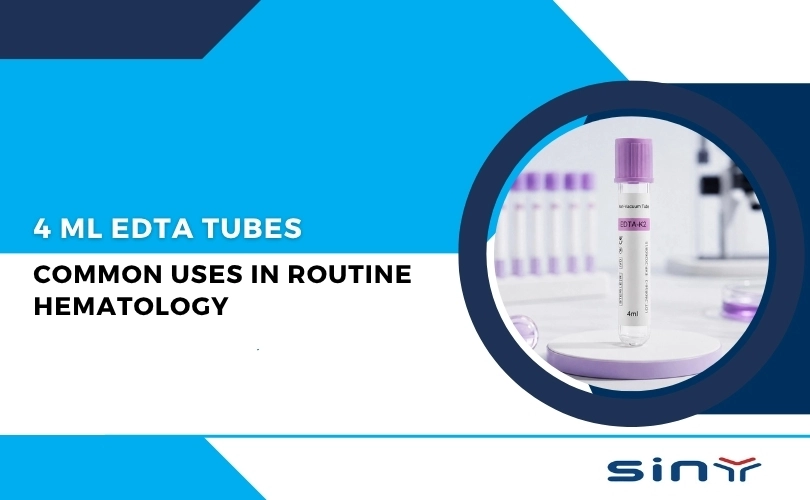
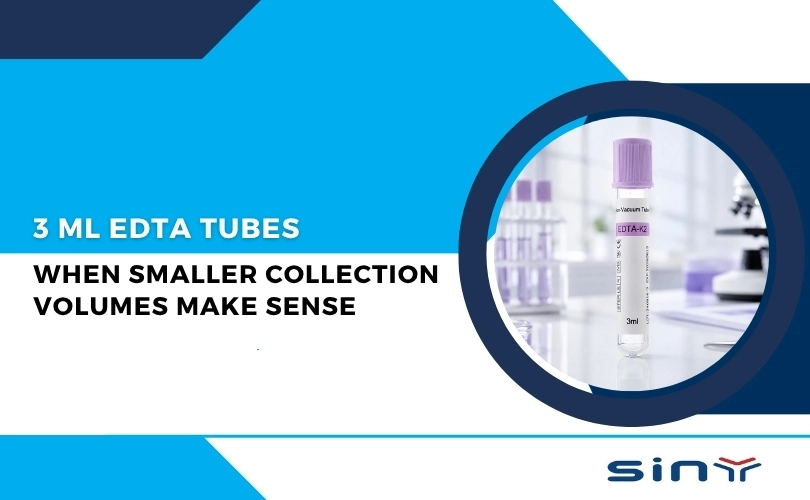
Purple-top EDTA tubes are commonly available in 2ml, 3ml, 4ml, 5ml, 6ml, and 10ml sizes.
Using the correct tube size helps maintain the proper blood-to-additive ratio. Underfilled tubes sometimes produce inaccurate results because excess EDTA alters cell measurements.
This article about EDTA tube sizes explained discusses sample volume selection in greater detail.
Laboratories often standardize tube sizes to simplify workflow and reduce collection errors.
Proper Storage and Handling of Purple-Top Tubes
Even high-quality blood collection systems require proper handling. Poor storage conditions may damage additives and compromise sample integrity.
Healthcare facilities should store EDTA tubes in cool, dry environments away from direct sunlight. Excessive heat or humidity can affect vacuum pressure and anticoagulant performance.
Expired tubes also create problems because additive effectiveness decreases over time.
After blood collection, laboratories should process EDTA samples within recommended time limits to maintain cellular accuracy.
This guide discussing proper handling and storage of EDTA tubes explains laboratory best practices for sample preservation.
Errors Involving Purple Blood Tubes
Although EDTA tubes are highly reliable, mistakes during collection still occur.
One common problem involves underfilling the tube. Incorrect blood volume changes the EDTA concentration and may distort laboratory measurements.
Another issue involves inadequate mixing. If technicians fail to invert the tube properly, small clots may form inside the sample.
Hemolysis is another concern. Rough handling or forceful shaking damages blood cells and affects analysis quality.
The purple tube used in phlebotomy requires careful technique because even minor collection errors may lead to recollection requests.
Plastic vs Glass EDTA Tubes
Most modern laboratories now prefer plastic EDTA tubes instead of traditional glass versions.
Plastic tubes reduce breakage risk and improve workplace safety. They also weigh less, making transportation easier for high-volume laboratory systems.
Manufacturers now produce advanced PET plastic EDTA tubes with highly accurate vacuum systems and leak-resistant caps.
For modern healthcare facilities, safety and efficiency remain top priorities.
The Growing Demand for EDTA Tubes Worldwide
Global healthcare expansion continues increasing demand for blood collection products.
Diagnostic testing plays a larger role in preventive medicine, chronic disease management, cancer screening, and infectious disease monitoring than ever before.
Because of this trend, manufacturers continue improving EDTA tube technology with better vacuum control, stronger materials, and more stable additives.
This article exploring the future of EDTA blood collection tubes discusses emerging laboratory trends and automation technologies.
Choosing High-Quality Purple Blood Tubes
Laboratories carefully evaluate blood collection products before purchasing them. Tube consistency directly affects diagnostic reliability.
Healthcare facilities often consider:
- Vacuum stability
- Additive quality
- Sterility standards
- Shelf life
- Tube compatibility with analyzers
This guide explaining how to choose the right EDTA tube for your lab offers practical advice for laboratories seeking reliable products.
Professional medical suppliers also provide customized tube sizes and packaging systems depending on laboratory requirements.
Summary
The purple tube used in phlebotomy serves a critical role in modern laboratory medicine. By containing EDTA anticoagulant, it prevents blood clotting while preserving blood cell structure for accurate analysis.
Healthcare professionals rely on purple-top tubes for CBC testing, blood morphology examinations, blood banking procedures, DNA testing, and many other hematology applications. Their ability to maintain cellular integrity makes them one of the most important tools in diagnostic medicine.
As laboratory technology continues advancing worldwide, EDTA blood collection systems will remain essential for accurate patient diagnosis and efficient healthcare delivery.
To explore professional blood collection products and technical support, visit EDTA Tube Products or contact the team through their contact page.
FAQs
Q: What is the purple tube used for in phlebotomy?
A: The purple tube used in phlebotomy mainly supports hematology testing because EDTA inside the tube prevents clotting and preserves blood cells for analysis.
Q: Why does the purple blood tube contain EDTA?
A: The EDTA inside the purple tube used during blood collection binds calcium and stops clot formation, which helps laboratories perform accurate blood testing.
Q: Can the purple tube used in phlebotomy support DNA testing?
A: Yes. Many laboratories use the purple tube used for DNA testing because EDTA helps protect nucleated blood cells during storage and transportation.
Q: What happens if the purple-top tube is not mixed properly?
A: Improper mixing of the purple tube used in laboratory testing may cause clotting, inaccurate blood counts, and sample rejection.
Q: Is the purple tube used only for CBC testing?
A: No. Although CBC testing is common, the purple tube used in phlebotomy also supports blood banking, molecular diagnostics, and blood cell morphology analysis.
Q: How should laboratories store purple blood tubes?
A: Laboratories should keep the purple tube used in cool, dry storage conditions away from excessive heat and direct sunlight to maintain additive stability.