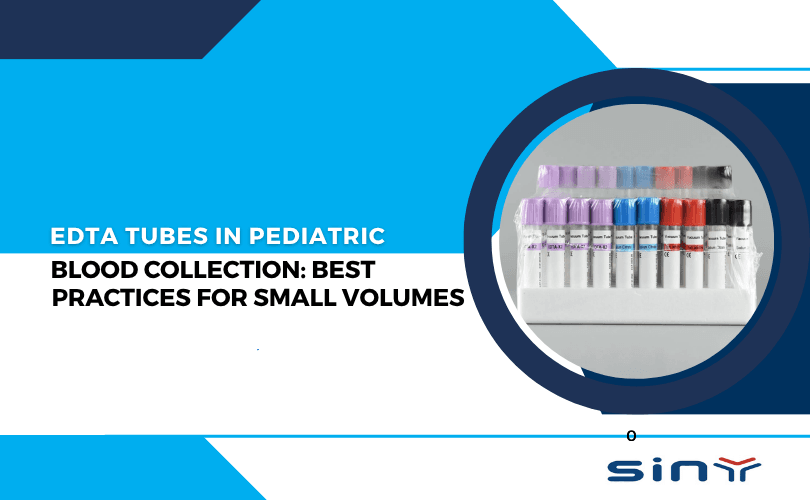
Blood collection in children requires a very different approach than blood collection in adults. Infants, newborns, and young children have smaller blood volumes, narrower veins, and lower tolerance for repeated sampling. For healthcare professionals, every milliliter matters. Collecting too much blood can contribute to anemia, while collecting too little can compromise test accuracy.
This is why selecting the right pediatric EDTA tube is one of the most important decisions during pediatric blood collection. These specially designed tubes help preserve blood cells, prevent clotting, and support reliable laboratory testing even when only a small amount of blood is available.
As pediatric healthcare continues to focus on patient-centered care, laboratories and hospitals are adopting smaller collection systems that reduce blood loss while maintaining high diagnostic standards. A properly selected pediatric EDTA tube allows clinicians to obtain accurate results while minimizing discomfort for young patients.
Healthcare facilities looking for reliable blood collection products can explore the complete range of solutions available through the EDTA tube specialists at edta tube and their extensive collection of blood testing products.
Why Pediatric Blood Collection Is More Challenging
Pediatric blood collection is often considered one of the most delicate procedures in clinical diagnostics. Unlike adults, children have significantly lower circulating blood volumes. A premature infant may have only a few hundred milliliters of total blood volume, meaning repeated laboratory testing can quickly become a concern.
In addition to limited blood volume, healthcare professionals must work with smaller veins that are often difficult to access. Movement during collection can increase the risk of hemolysis, specimen contamination, or failed draws. These challenges make proper equipment selection essential.
A well-designed pediatric EDTA tube helps address many of these issues by allowing laboratories to perform multiple analyses using a minimal amount of blood. The result is a safer experience for patients and more reliable outcomes for clinicians.
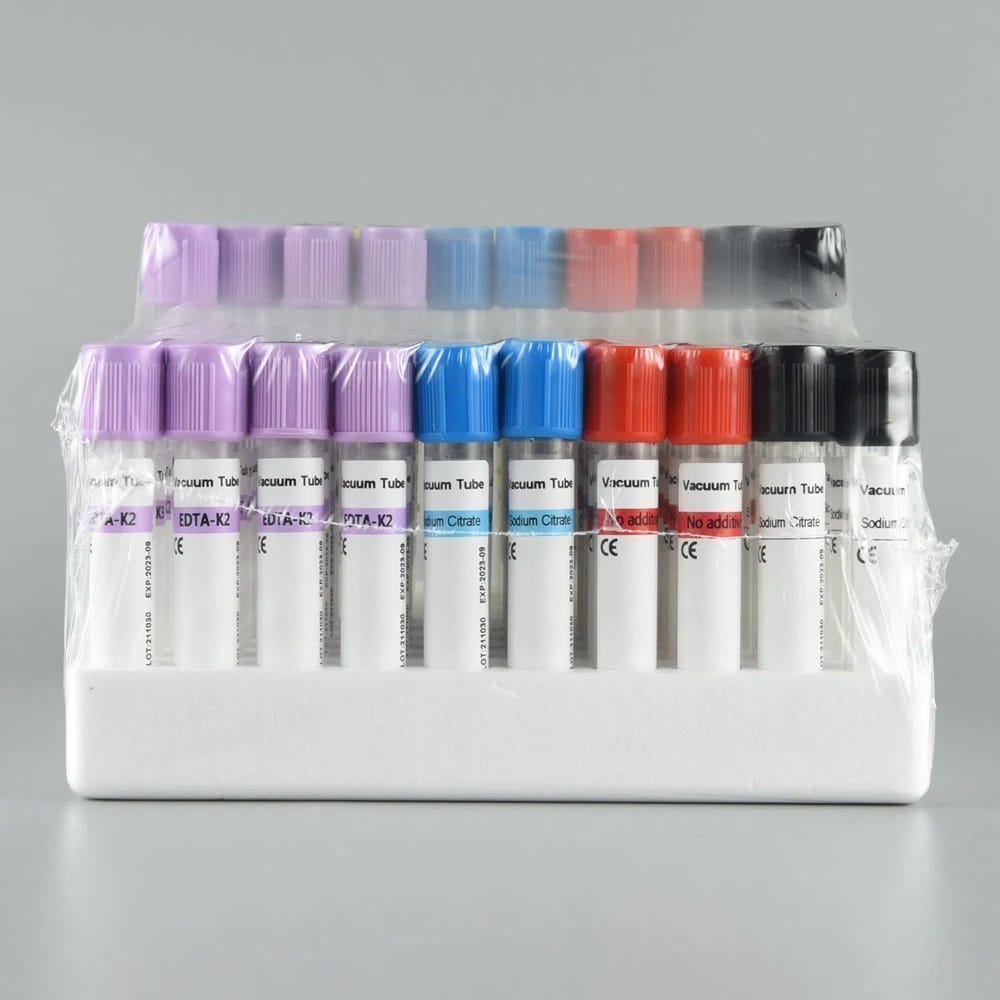
What Is an EDTA Tube and Why Is It Important?
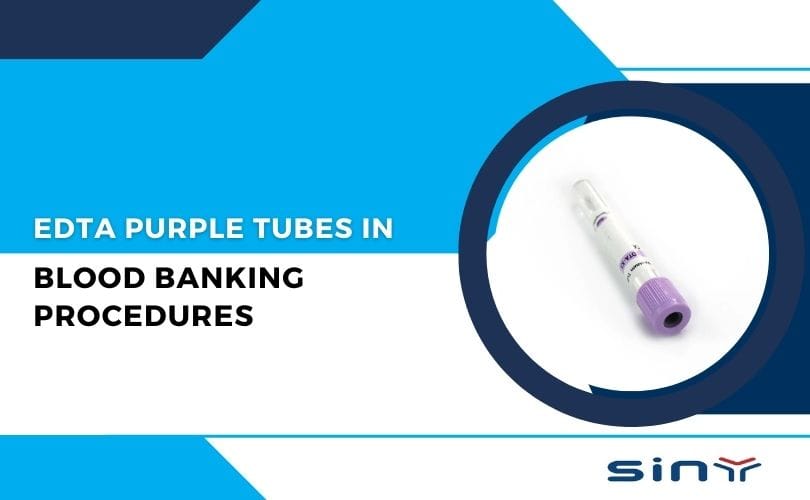
EDTA stands for Ethylenediaminetetraacetic Acid, a widely used anticoagulant in hematology testing. Its primary function is to prevent blood clotting by binding calcium ions, which are required for coagulation.
Because EDTA effectively preserves cellular structure, it remains the preferred anticoagulant for complete blood count testing and many other hematology applications. Blood cells remain stable for analysis, allowing laboratories to generate accurate measurements of red blood cells, white blood cells, platelets, hemoglobin, and hematocrit values.
If you want a deeper understanding of tube composition and anticoagulant technology, the guide explaining K₂ EDTA blood collection tubes provides valuable information edta vacuum blood collection tube
For pediatric patients, preserving every sample becomes especially important because recollection may be difficult or stressful. This is one reason why the pediatric EDTA tube has become a standard component of modern pediatric diagnostics.
Why EDTA Tubes Are the Gold Standard for CBC Testing
Among all laboratory tests performed in children, Complete Blood Count (CBC) testing remains one of the most common. According to the information provided in the Complete Blood Count overview available at Complete blood count, CBC testing helps physicians evaluate infections, anemia, immune disorders, and many other health conditions.
The reason EDTA tubes dominate hematology testing is simple. They preserve blood cell morphology better than most alternative anticoagulants. This preservation allows automated analyzers to produce accurate and reproducible results.
Healthcare professionals can learn more about CBC applications through resources such as When laboratories perform CBC analysis using an appropriate pediatric EDTA tube, they reduce the risk of clot formation and improve overall test reliability.
Choosing the Right Pediatric EDTA Tube Size
Tube size has a direct impact on sample quality. One of the most common mistakes in pediatric blood collection is selecting a tube that does not match the required sample volume.
When a tube is underfilled, the ratio between blood and anticoagulant changes. This imbalance can affect platelet counts, hematocrit values, and other hematology parameters. Conversely, choosing an unnecessarily large tube may result in excessive blood collection.
Several factors influence tube selection. Patient age, body weight, laboratory requirements, and the number of requested tests all play a role. For newborns and infants, low-volume collection systems are often preferred because they help conserve blood while still supporting accurate testing.
Understanding tube sizing helps clinicians choose the most effective pediatric EDTA tube for each clinical situation.
Comparing EDTA Tube Sizes
| Tube Size | Typical Use | Pediatric Suitability |
|---|---|---|
| 2ml | Small CBC panels | Excellent |
| 3ml | Routine pediatric testing | Excellent |
| 4ml | Multiple hematology tests | Very Good |
| 5ml | Extended testing panels | Good |
| 6ml | Standard laboratory testing | Limited |
| 10ml | Adult testing and research | Rarely Used |
For many pediatric applications, 2ml and 3ml tubes provide an ideal balance between diagnostic capability and blood conservation.
Additional sizing information can be found at choosing between 2ml 3ml 4ml and 5ml edta
K2 EDTA vs K3 EDTA for Pediatric Samples
Healthcare providers frequently compare K₂ EDTA and K₃ EDTA anticoagulants when selecting blood collection tubes.
Both anticoagulants effectively prevent clotting, but K₂ EDTA often provides superior preservation of blood cell morphology. This advantage becomes especially important in pediatric testing where sample volumes are limited and repeat collections should be avoided whenever possible.
K₃ EDTA remains widely used and continues to provide reliable performance in many laboratories. However, many hematology professionals prefer K₂ EDTA for routine CBC analysis because of its strong performance in preserving cellular integrity.
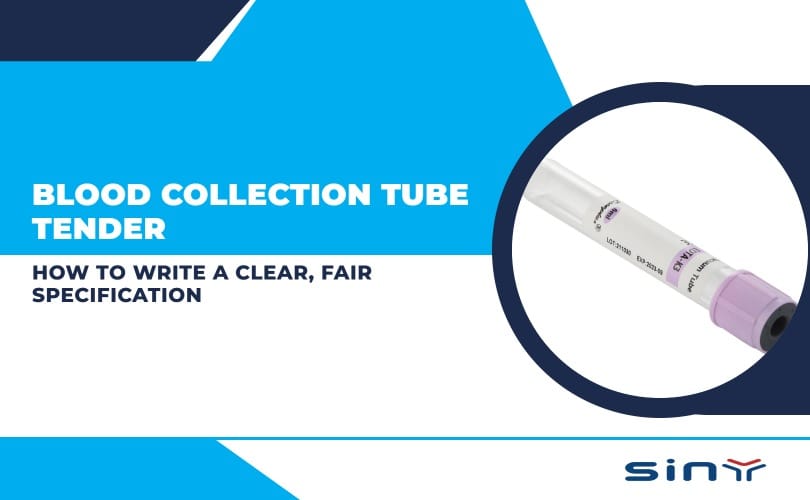
More information regarding K₃ EDTA technology is available here:edta k3 vacuum blood collection tube
Best Collection Practices When Using a Pediatric EDTA Tube
Successful pediatric blood collection begins long before the needle enters the vein. Preparation is essential. Healthcare professionals should ensure all materials are ready before approaching the patient. This reduces collection time and helps minimize anxiety for children and parents.
The selected tube should always match laboratory requirements. Using the smallest appropriate pediatric EDTA tube helps preserve blood volume while maintaining diagnostic accuracy.
Mixing is another critical factor. Immediately after collection, the tube should be gently inverted according to manufacturer recommendations. Proper mixing ensures the anticoagulant disperses evenly throughout the specimen.
Equally important is adherence to the correct order of draw. Following accepted phlebotomy protocols helps prevent additive carryover and protects specimen quality. Healthcare professionals can review detailed guidance here edta tube collection order where it fits in phlebotomy protocol
Reducing Sample Rejection in Pediatric Laboratories
Laboratory sample rejection creates delays, increases costs, and often requires repeat blood collection. In pediatric settings, avoiding redraws is especially important.
Most rejected hematology specimens result from clotting, hemolysis, insufficient volume, or improper handling. These issues are often preventable through careful collection practices and proper tube selection.
A high-quality pediatric EDTA tube helps minimize these risks by maintaining the correct anticoagulant concentration and preserving specimen stability during transport.
Laboratories that implement standardized pediatric collection protocols frequently report lower rejection rates and improved turnaround times.
Pediatric EDTA Tube Applications Beyond CBC Testing
Although CBC testing remains the most common application, the pediatric EDTA tube supports many additional laboratory procedures.
Modern laboratories use EDTA-preserved samples for blood cell morphology evaluation, flow cytometry, hemoglobin studies, platelet analysis, and specialized hematology investigations. The versatility of these tubes makes them an essential component of pediatric laboratory medicine. Additional testing information is available through edta tube test list from cbc to flow cytometry
Summary
Accurate pediatric testing begins with proper specimen collection. Because children have limited blood volume, every aspect of the collection process must prioritize both patient safety and diagnostic accuracy.
The right pediatric EDTA tube helps preserve blood cell integrity, reduce sample rejection, and support reliable laboratory results. By selecting appropriate tube sizes, following established collection protocols, and using modern low-volume collection systems, healthcare professionals can improve patient outcomes while minimizing unnecessary blood loss.
As pediatric diagnostics continue to evolve, the pediatric EDTA tube will remain a cornerstone of high-quality hematology testing and small-volume blood collection. Get for more information visit edta tube and conatct us.
FAQs
Q: What is a pediatric EDTA tube?
A: A pediatric EDTA tube is a blood collection tube specifically designed for small-volume blood samples. It contains EDTA anticoagulant that prevents clotting and preserves blood cells for laboratory testing.
Q: Why is a pediatric EDTA tube preferred for CBC testing?
A: A pediatric EDTA tube preserves blood cell morphology and prevents coagulation, allowing laboratories to obtain accurate CBC results from limited sample volumes.
Q: Can a pediatric EDTA tube reduce blood loss in children?
A: Yes. A pediatric EDTA tube is designed to collect smaller volumes while maintaining testing accuracy, helping reduce unnecessary blood loss in infants and young children.
Q: What size pediatric EDTA tube is most commonly used?
A: The most commonly used pediatric EDTA tube sizes range from 2ml to 3ml because they provide sufficient blood for routine hematology testing while conserving specimen volume.
Q: Is K2 EDTA better than K3 EDTA in pediatric testing?
A: Many laboratories prefer K₂ EDTA because a pediatric EDTA tube containing K₂ EDTA often provides better preservation of blood cell morphology and more consistent hematology results.