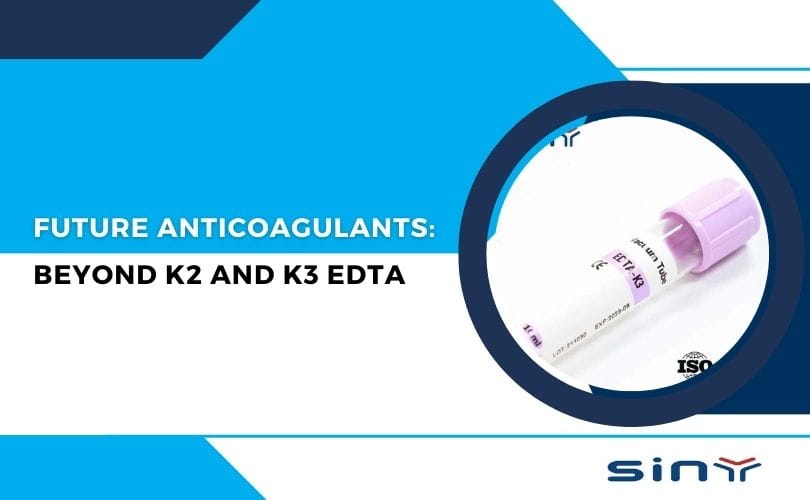
The world of laboratory diagnostics is evolving rapidly. While K2 and K3 EDTA tubes have dominated hematology testing for decades, researchers are actively exploring Future Anticoagulants that offer improved cellular stability, molecular compatibility, and extended storage performance.
Today, EDTA remains the gold standard for tests such as the Complete Blood Count. However, precision medicine, molecular diagnostics, and AI-driven pathology demand anticoagulants that go beyond traditional chelation chemistry.
This article explores the science, innovation, and practical implications of Future Anticoagulants, while also examining how EDTA continues to set the benchmark for safety and reliability in clinical laboratories worldwide.
The Role of Anticoagulants in Blood Testing
Anticoagulants prevent blood from clotting after collection. Without them, laboratory analysis becomes impossible.
In routine hematology, EDTA works by binding calcium ions. Calcium is essential for clotting. Once EDTA chelates calcium, coagulation pathways stop.
You can explore how EDTA functions in greater depth in this detailed guide on Is EDTA an anticoagulant?.
Currently, the most widely used EDTA variants include:
- K2 EDTA (dipotassium)
- K3 EDTA (tripotassium)
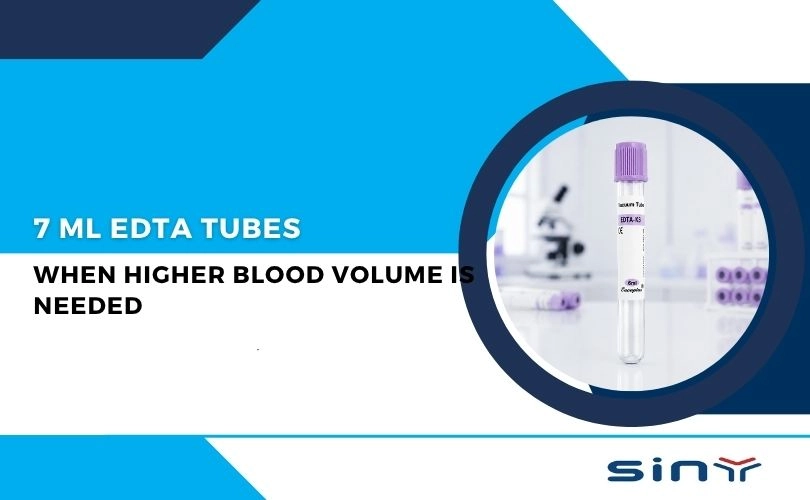
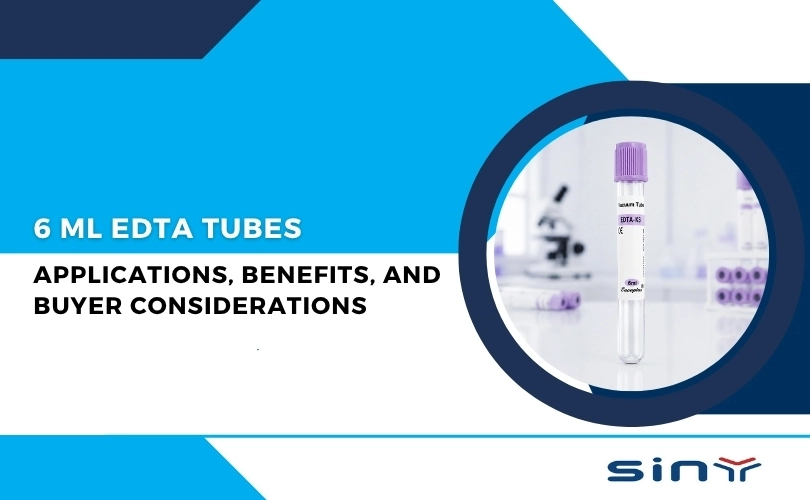
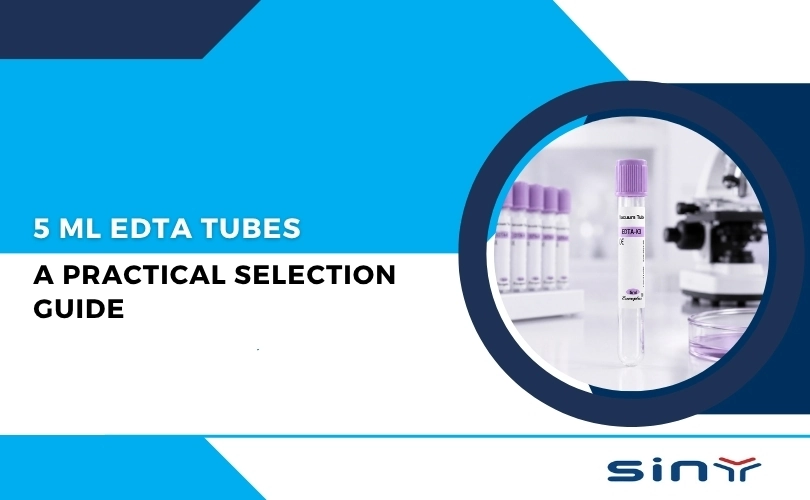
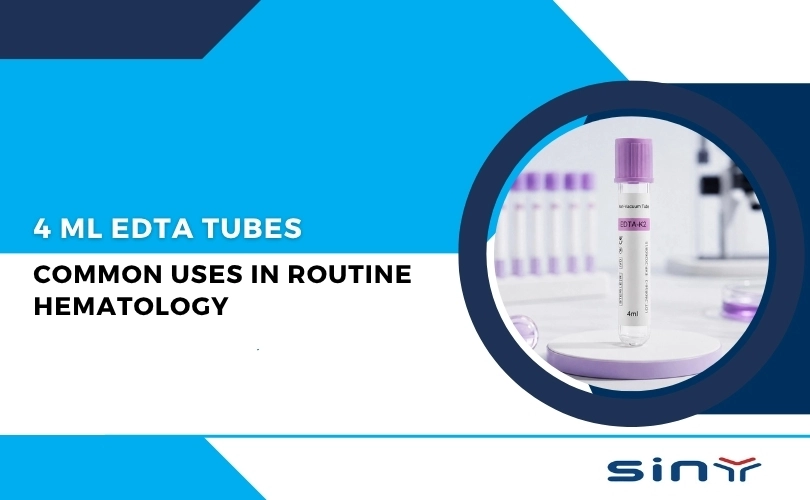
These are primarily used in purple-cap tubes, such as the Siny EDTA Anticoagulant Tube Purple Cap, which is commonly chosen for routine hematology testing.
But as diagnostics shift toward genomics and precision medicine, researchers now question: Are K2 and K3 EDTA enough for the next generation of laboratory science?

Why Laboratories Are Looking Beyond K2 and K3
The need for Future Anticoagulants stems from emerging laboratory challenges.
Growth in Molecular Diagnostics
Modern laboratories no longer rely solely on cell counting. They perform:
- DNA sequencing
- RNA expression profiling
- Liquid biopsy testing
- Circulating tumor cell analysis
Standard EDTA performs well for cell morphology. However, RNA degradation and plasma nucleic acid instability remain concerns in advanced molecular workflows.
Extended Storage Requirements
Blood samples often travel long distances. In global healthcare systems, samples may remain in transit for 24–72 hours.
While EDTA is stable, studies show that:
- Platelet morphology can change after 24 hours.
- White blood cell integrity declines over time.
- RNA integrity reduces significantly after 6–12 hours at room temperature.
These challenges drive innovation in Future Anticoagulants designed to stabilize cellular and molecular components simultaneously.
EDTA Today: The Gold Standard Benchmark
Before exploring new anticoagulants, it is important to understand why EDTA remains dominant.
EDTA tubes are:
- Cost-effective
- Compatible with automated hematology analyzers
- Reliable for complete blood counts
- Globally standardized
The detailed comparison in EDTA vs Other Anticoagulants explains why EDTA remains superior to heparin or citrate for hematology testing.
In fact, more than 70% of hematology samples worldwide rely on EDTA tubes.
Manufacturing quality also plays a critical role. The advanced coating and sterilization processes described in the EDTA tubes manufacturing process ensure consistent anticoagulant performance.
Despite its strengths, innovation never stops.
Emerging Categories of Future Anticoagulants
The next wave of anticoagulant technology focuses on preserving more than just clotting factors.
Cell-Stabilizing Anticoagulants
These solutions combine chelating agents with membrane stabilizers.
Unlike traditional EDTA, these advanced formulas aim to:
- Preserve leukocyte surface markers
- Reduce hemolysis
- Maintain platelet structure
This approach benefits flow cytometry and immunophenotyping.
Nucleic Acid Preservation Tubes
Modern oncology relies heavily on circulating tumor DNA (ctDNA). Standard EDTA tubes require rapid plasma separation.
New Future Anticoagulants include additives that:
- Prevent genomic DNA contamination
- Stabilize circulating free DNA
- Inhibit nuclease activity
Such tubes allow plasma storage for up to 7 days at room temperature.
Hybrid Anticoagulant Systems
Researchers are exploring hybrid systems that combine:
- Chelators
- Protease inhibitors
- Antioxidants
- Metabolic suppressors
These advanced systems aim to support multi-omics testing from a single blood draw.
Comparative Overview: EDTA vs Emerging Alternatives
| Feature | K2/K3 EDTA | Molecular Stabilization Tubes | Hybrid Future Anticoagulants |
|---|---|---|---|
| Prevents Clotting | Yes | Yes | Yes |
| Preserves Morphology | Excellent | Good | Excellent |
| Stabilizes RNA | Limited | High | Very High |
| Extended Storage | Moderate | High | High |
| Cost | Low | High | Medium–High |
| Automation Compatibility | Excellent | Moderate | Developing |
While Future Anticoagulants offer advantages, EDTA still leads in cost-effectiveness and analyzer compatibility.
The Future of EDTA Technology Itself
Interestingly, innovation may not mean replacing EDTA.
Instead, scientists are improving EDTA tube design.
You can explore ongoing innovation in the Future of EDTA Blood Collection Tubes 2026 article, which highlights smart tube labeling and improved anticoagulant coatings.
Additionally, tube size optimization plays a role in sample stability. Laboratories must carefully select the appropriate volume using guides like:
Correct volume-to-anticoagulant ratio remains essential, regardless of future developments.
Clinical Implications of Future Anticoagulants
The clinical laboratory of 2030 will look very different.
Personalized medicine requires:
- Higher biomarker accuracy
- Faster turnaround times
- Improved sample transport resilience
Hospitals will likely adopt specialized tubes for oncology, genetics, and infectious disease testing.
However, EDTA will remain essential for routine hematology.
The key lies in choosing the right anticoagulant for the right purpose. The guide on How to Choose the Right EDTA Tube for Your Lab remains relevant even in this evolving landscape.
Manufacturing and Global Supply Innovation
Anticoagulant development is not only scientific. It is also industrial.
Manufacturers like Siny Medical EDTA Tube Supplier are investing in improved spray-coating technologies, automation, and sterile production environments.
You can also explore industry updates through their official YouTube channel at Siny Medical and global export platforms like Siny Medical on Made-in-China.
Production scalability will determine how quickly Future Anticoagulants reach global laboratories.
Regulatory and Standardization Considerations
Any new anticoagulant must meet strict regulatory standards.
Clinical validation requires:
- Stability testing
- Analyzer compatibility testing
- Toxicology assessment
- Multicenter trials
Without standardization, adoption remains slow.
EDTA benefits from decades of validation. Therefore, new alternatives must prove clear clinical superiority.
Practical Advice for Laboratories Today
While waiting for widespread adoption of Future Anticoagulants, laboratories should:
- Use high-quality EDTA tubes from trusted suppliers
- Ensure correct storage conditions
- Follow proper mixing techniques
You can review best practices in How to Use an EDTA Tube.
For product selection and consultation, laboratories can directly reach out via the Contact Us page.
Additionally, exploring the full product range at EDTA Tube Products provides insight into available configurations.
Summary
The evolution of future anticoagulants marks a turning point in laboratory medicine. While K2 and K3 EDTA tubes remain the backbone of hematology, their limitations have opened the door to citrate innovations, heparin derivatives, synthetic chelators, and nanotechnology-based solutions. For laboratories, staying informed about future anticoagulants ensures readiness for the next era of diagnostics. As precision medicine advances, anticoagulants will no longer be one-size-fits-all but tailored to specific assays and patient needs. Explore more about EDTA tubes and innovations at EDTA Tube. If you have questions about upgrading your current supplies or need specific technical data, feel free to contact us or explore the edtatube for the latest updates in the industry.
FAQs
What are Future Anticoagulants in blood testing?
Future Anticoagulants refer to next-generation blood collection additives designed to preserve cellular and molecular components beyond traditional clot prevention.
Will Future Anticoagulants replace EDTA completely?
Future Anticoagulants may complement EDTA rather than replace it, especially for advanced molecular diagnostics.
Why is EDTA still widely used?
EDTA remains dominant because it provides consistent hematology results and excellent compatibility with automated analyzers.
Are Future Anticoagulants more expensive?
Yes, most Future Anticoagulants involve advanced stabilizers, making them more costly than standard EDTA tubes.
When will Future Anticoagulants become mainstream?
Adoption depends on regulatory approval, cost reduction, and clinical validation across multiple healthcare systems.