Every day, hospitals and diagnostic laboratories examine blood samples to detect infections, anemia, leukemia, clotting disorders, and many other health conditions. One of the most important parts of hematology testing involves evaluating Blood Cell Morphology.
Blood cell morphology refers to the size, shape, structure, and appearance of blood cells under microscopic examination. Small changes in cell appearance often help physicians diagnose serious diseases early. Because of this, laboratories must preserve blood samples carefully from the moment collection begins.
Among all blood collection systems, EDTA tubes remain the preferred option for hematology testing. These tubes help maintain cellular structure and prevent clotting during transportation and analysis. However, EDTA can also influence blood cell appearance when samples are stored improperly or analyzed too late.
Understanding how EDTA tubes affect Blood Cell Morphology helps laboratories improve diagnostic accuracy and reduce testing errors. Healthcare facilities searching for reliable blood collection systems often explore the professional solutions available through EDTA Tube Products.
What Is Blood Cell Morphology?
Blood Cell Morphology describes the physical characteristics of blood cells observed under a microscope. Laboratory specialists study red blood cells, white blood cells, and platelets to identify abnormalities linked to disease.
Healthy blood cells have predictable shapes and structures. Red blood cells usually appear round with smooth edges, while white blood cells maintain distinct nuclear patterns depending on their type. Platelets also show specific size and distribution characteristics.
When illness develops, cell morphology often changes before symptoms become severe. For this reason, morphology analysis remains one of the most valuable diagnostic tools in hematology laboratories.
Why EDTA Tubes Are Used for Hematology Testing
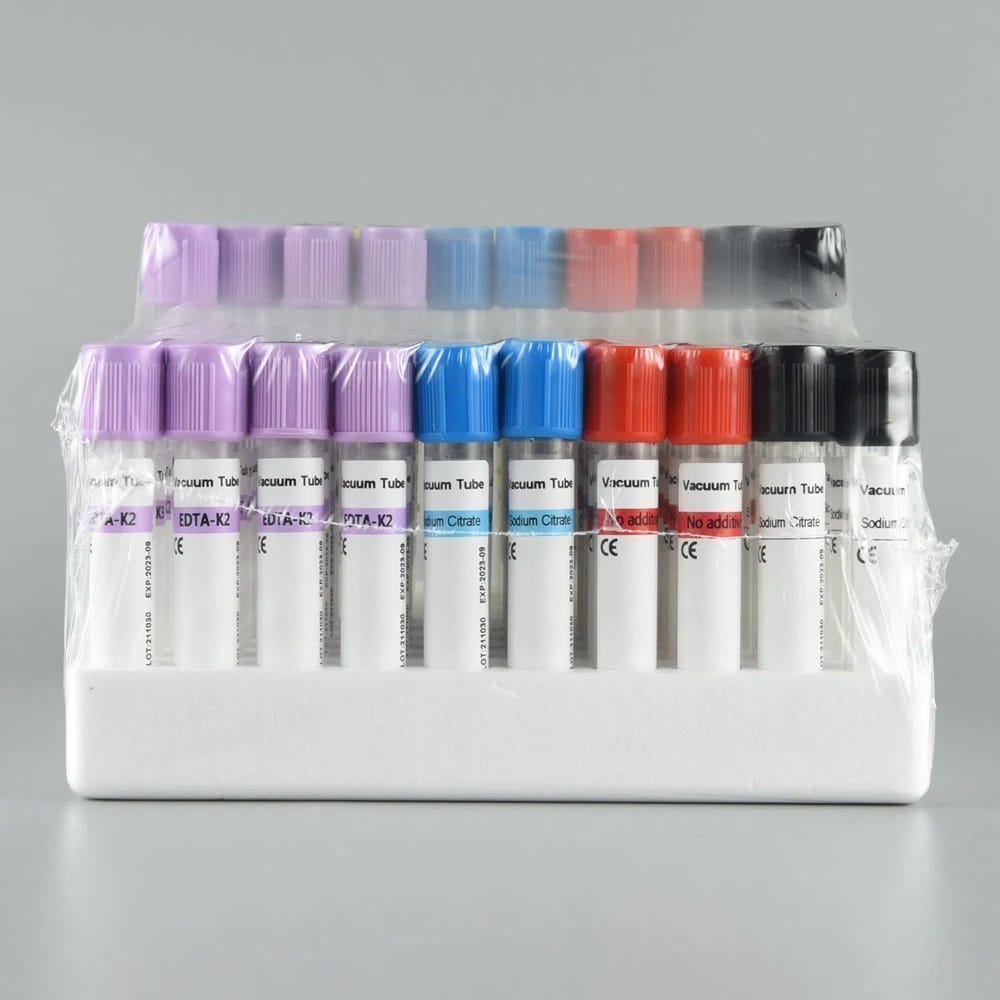
EDTA stands for ethylenediaminetetraacetic acid. This anticoagulant prevents blood from clotting by binding calcium ions inside the sample.
Without anticoagulants, blood cells quickly form clots, making microscopic analysis impossible. EDTA preserves cellular details more effectively than many other additives, which is why laboratories commonly use lavender-top EDTA tubes for hematology testing.
The detailed guide on Top Benefits of Using EDTA Tubes explains why EDTA remains essential in modern blood collection procedures.
In most situations, EDTA provides excellent preservation for:
- red blood cells
- white blood cells
- platelet structures
- cellular staining quality
- automated blood analysis
However, storage time and handling conditions still influence sample quality significantly.
How EDTA Preserves Blood Cell Morphology
The primary advantage of EDTA lies in its ability to stabilize blood cells shortly after collection.
When blood begins clotting, cellular structures break down rapidly. EDTA prevents that process by stopping calcium-dependent coagulation reactions. As a result, blood cells remain separated and easier to evaluate microscopically.
This preservation helps laboratories perform:
- complete blood counts
- differential white blood cell analysis
- platelet evaluations
- peripheral smear examinations
- molecular diagnostic testing
Laboratories performing advanced testing often rely on professional-grade collection systems available through EDTA Blood Collection Products.
How EDTA Tubes Can Alter Blood Cell Morphology
Although EDTA protects cellular structure initially, prolonged exposure may eventually affect cell appearance.
This issue becomes more noticeable when laboratories delay sample analysis for several hours after collection. Temperature fluctuations and improper storage conditions can worsen the effect.
Red Blood Cell Changes
Over time, EDTA may cause red blood cells to shrink slightly. Some cells develop irregular edges or become crenated during prolonged storage.
These alterations sometimes complicate anemia evaluation because abnormal cell shapes may resemble disease-related changes.
Laboratory professionals therefore prefer analyzing samples within recommended time limits.
White Blood Cell Distortion
White blood cells also experience structural changes during extended EDTA exposure.
Neutrophils may develop nuclear swelling or cytoplasmic degeneration if blood remains stored too long before examination. Fragile leukemic cells may deteriorate even faster.
Accurate Blood Cell Morphology analysis therefore depends heavily on timely processing.
Platelet Clumping Problems
Platelets occasionally clump together inside EDTA tubes. This phenomenon, known as EDTA-dependent platelet clumping, may create falsely low platelet counts during automated testing.
Microscopic review often becomes necessary when analyzers detect abnormal platelet patterns.
Why Timing Matters in Blood Cell Morphology Analysis
Time plays a critical role in preserving accurate Blood Cell Morphology.
Most laboratories recommend analyzing EDTA blood samples within several hours of collection whenever possible. Delayed processing increases the likelihood of:
- cellular swelling
- membrane distortion
- platelet aggregation
- white cell degeneration
- staining artifacts
These changes may interfere with disease diagnosis and laboratory interpretation.
Proper collection procedures discussed in How to Use an EDTA Tube help minimize these risks significantly.
The Importance of Proper Storage Conditions
Storage temperature directly affects blood sample stability.
Excessive heat accelerates cellular degeneration, while freezing damages cell membranes completely. Laboratories usually store EDTA blood samples at controlled room temperature unless specific testing protocols require refrigeration.
Moisture and sunlight exposure may also affect tube performance over time.
The article on Proper Handling and Storage of EDTA Tubes explains best practices for maintaining sample integrity during transportation and storage.
Tube Size and Additive Balance Matter
The blood-to-anticoagulant ratio influences sample quality directly. Underfilled or overfilled tubes may alter cellular preservation and distort Blood Cell Morphology findings.
For example, excess EDTA concentration caused by insufficient blood volume can shrink cells and create misleading morphology results.
Laboratories must therefore choose appropriate tube sizes carefully. Healthcare professionals can compare available options through EDTA Tube Sizes Explained
Plastic vs Glass EDTA Tubes in Morphology Preservation
Modern laboratories increasingly prefer plastic EDTA tubes over traditional glass systems.
Plastic tubes improve transportation safety and reduce breakage risks. In addition, modern PET materials provide stable vacuum performance and consistent additive distribution.
Consistent anticoagulant performance supports better Blood Cell Morphology preservation during routine laboratory workflows.
Additional information about material technology appears in PET Plastic in EDTA Tubes.
EDTA Tubes in Automated Hematology Systems
Automated analyzers process thousands of blood samples daily in large hospitals and diagnostic centers.
These machines depend heavily on properly preserved blood cells. If EDTA concentration becomes unbalanced or samples degrade during storage, automated analyzers may produce unreliable counts and abnormal morphology flags.
For this reason, high-quality EDTA tubes remain essential in modern laboratory automation systems.
Blood Cell Morphology and Disease Diagnosis
Microscopic blood analysis often provides early clues about serious medical conditions.
Abnormal Blood Cell Morphology may indicate:
- iron deficiency anemia
- leukemia
- vitamin deficiencies
- bone marrow disorders
- infections
- inflammatory diseases
Because these findings influence treatment decisions, laboratories must preserve cell integrity carefully throughout the testing process.
The Role of EDTA Tubes in DNA and Molecular Testing
EDTA tubes also support molecular diagnostics because they stabilize nucleic acids effectively.
Many laboratories performing genetic testing use EDTA samples for PCR analysis and DNA extraction. Stable cellular preservation improves molecular testing reliability significantly.
Healthcare professionals involved in genetic diagnostics can review Can EDTA Tubes Be Used for DNA Testing? for additional information.
Future Trends in Blood Collection Technology
Blood collection technology continues advancing rapidly. Manufacturers now focus on improving additive stability, sample preservation, and automated laboratory compatibility.
Future EDTA tube systems may include:
- advanced additive coatings
- smarter labeling systems
- enhanced vacuum precision
- contamination-resistant designs
- longer sample stability
The article on Future of EDTA Blood Collection Tubes 2026 discusses upcoming innovations shaping laboratory medicine.
Healthcare providers seeking modern manufacturing solutions also explore Siny Medical EDTA Tubes and Siny Medical Manufacturing Platform.
Educational demonstrations and laboratory product videos appear on the Siny Medical YouTube Channel.
Summary
Accurate Blood Cell Morphology analysis remains essential in modern hematology and diagnostic medicine. EDTA tubes play a critical role in preserving blood cells and preventing clot formation during laboratory testing.
However, prolonged storage, incorrect tube filling, poor handling, and delayed analysis can still affect cell appearance and compromise diagnostic accuracy.
By using high-quality EDTA tubes, following proper collection procedures, and processing samples within recommended timeframes, laboratories can maintain reliable morphology results and improve patient care.
Healthcare facilities searching for advanced blood collection systems can explore professional solutions through EDTA Tube Collection Products or contact the support team through Contact Us.
FAQs
How do EDTA tubes help preserve Blood Cell Morphology?
EDTA tubes prevent clot formation and stabilize cellular structures, which helps laboratories maintain accurate Blood Cell Morphology during hematology testing.
Can EDTA change Blood Cell Morphology over time?
Yes. Prolonged exposure to EDTA may alter Blood Cell Morphology by causing red cell shrinkage, platelet clumping, and white blood cell degeneration.
Why is timing important for Blood Cell Morphology analysis?
Delays in testing may damage cell structures and reduce the accuracy of Blood Cell Morphology evaluation under microscopic examination.
Do tube sizes affect Blood Cell Morphology results?
Yes. Incorrect blood-to-anticoagulant ratios may distort Blood Cell Morphology and create misleading laboratory findings.
Are plastic EDTA tubes good for Blood Cell Morphology testing?
Modern plastic EDTA tubes support stable sample preservation and improve safety, helping laboratories maintain reliable Blood Cell Morphology analysis.
Can EDTA tubes be used for DNA and morphology testing together?
Yes. EDTA tubes preserve both nucleic acids and cellular structures effectively, making them suitable for molecular testing and Blood Cell Morphology evaluation.