Blood testing plays a silent but decisive role in modern healthcare. From routine health screenings to complex disease diagnosis, laboratories rely on accurate blood results to guide medical decisions. Yet, accuracy does not begin in the lab—it starts at the moment blood is drawn and continues throughout blood sample transportation in EDTA tubes.
When blood samples travel from clinics to laboratories, especially across cities or regions, they face temperature shifts, vibration, time delays, and handling variations. Each of these factors can compromise sample integrity if not managed properly. Stability studies on EDTA tubes provide critical insights into how blood components behave during transport and how laboratories can preserve reliability from vein to analysis. This in-depth guide explores the science, real-world evidence, and best practices behind blood sample transportation in EDTA tubes, offering clarity for healthcare professionals, laboratory managers, and procurement teams alike.
EDTA Tubes and Their Role in Blood Testing
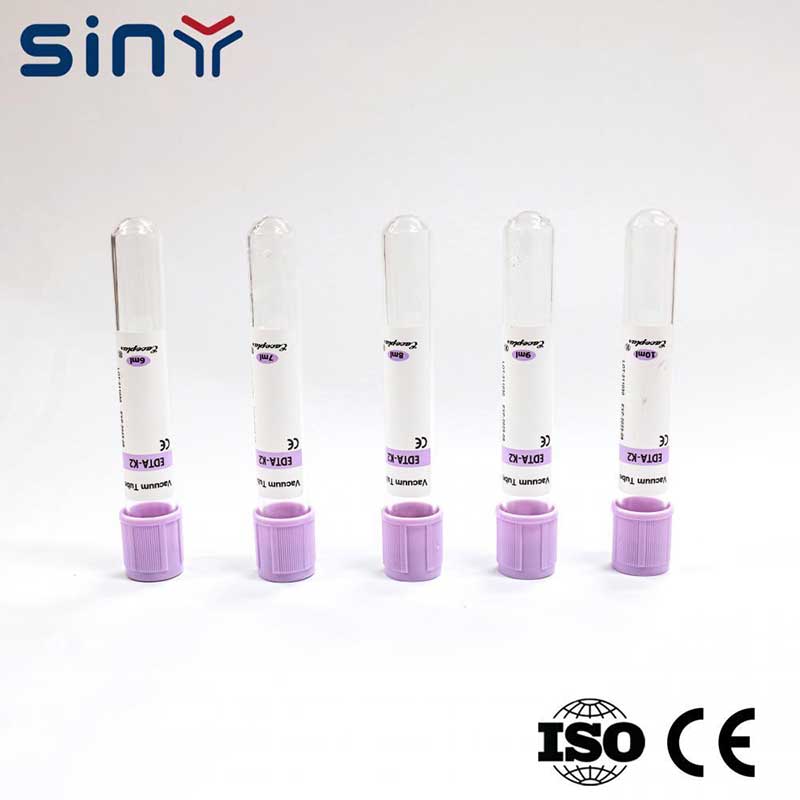
EDTA tubes are among the most commonly used blood collection devices worldwide. EDTA, short for ethylenediaminetetraacetic acid, functions as a powerful anticoagulant by binding calcium ions in blood. Without calcium, clotting pathways are interrupted, allowing blood cells to remain suspended and analyzable.
Most hematology tests depend on this mechanism. For example, complete blood count (CBC) testing relies on intact red cells, white cells, and platelets to generate meaningful results, as explained in the overview of a complete blood count.
Unlike serum tubes, EDTA tubes preserve cellular morphology, making them indispensable for diagnostic accuracy. Manufacturers now engineer these tubes using medical-grade plastic materials designed to withstand transport stress while maintaining chemical stability.
For a deeper look at EDTA tube composition, you can explore how materials are selected in this guide on materials used in EDTA tubes.
Why Blood Sample Transportation Demands Stability Studies
Blood samples rarely stay in one place. In decentralized healthcare systems, samples collected at clinics or mobile units often travel hours before analysis. During this window, biological degradation can occur silently.
Stability studies evaluate how long blood remains reliable under specific transport conditions. These studies examine temperature tolerance, time sensitivity, mechanical agitation, and anticoagulant performance. Without such data, laboratories risk false readings, misdiagnosis, or test rejection.
Research consistently shows that improper blood sample transportation in EDTA tubes can cause cell swelling, platelet clumping, and hemoglobin leakage. Stability studies allow labs to define safe transport windows and handling protocols.
How EDTA Preserves Blood During Transportation
The success of EDTA tubes lies in their chemical behavior. EDTA prevents clot formation immediately after blood draw, stabilizing cellular components. However, preservation is not indefinite.
According to studies summarized in this article on why EDTA preserves blood samples for accuracy, EDTA maintains red cell morphology for up to 24 hours under controlled conditions. White blood cells and platelets, however, are more sensitive to time and temperature changes.
This is why stability studies emphasize transport temperature. Samples transported between 20–25°C generally show better stability than those exposed to heat or refrigeration extremes.
Key Factors Affecting Blood Sample Stability During Transport
Temperature Control
Temperature is the single most influential factor. Excessive heat accelerates cellular metabolism, while cold temperatures can cause platelet activation. Stability studies suggest maintaining ambient temperature unless otherwise specified by test protocols.
Transport Duration
Time is equally critical. While EDTA tubes allow short-term preservation, prolonged delays reduce result accuracy. Clinical guidance on how long blood can be stored in EDTA tubes provides time thresholds validated by laboratory testing.
Mechanical Agitation
Transport vibrations can cause hemolysis. Stability studies show that rough handling leads to potassium leakage and altered hematocrit values, which may invalidate results.
Comparing EDTA Tube Sizes for Transportation Efficiency
Tube volume influences anticoagulant-to-blood ratios. Using the wrong size can compromise sample quality even before transport begins.
| Tube Size | Typical Use | Transport Stability |
|---|---|---|
| 2ml | Pediatric tests | Moderate |
| 3ml | Routine CBC | High |
| 4–5ml | Extended panels | Very High |
| 6–10ml | Specialized testing | High (if filled correctly) |
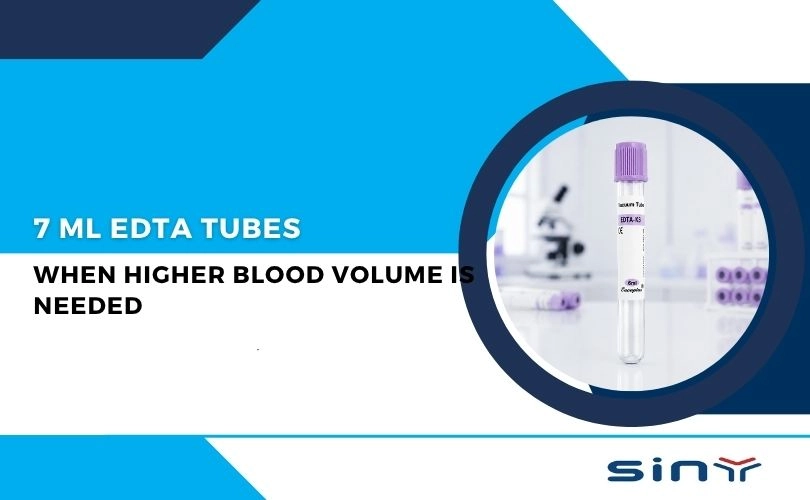
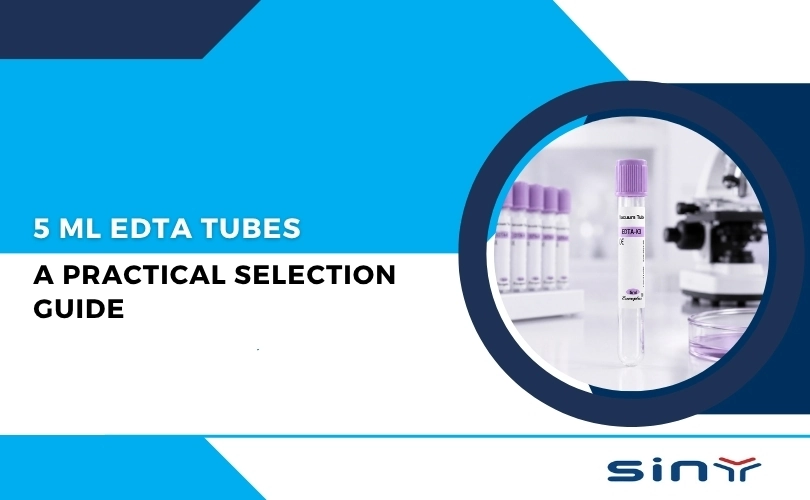
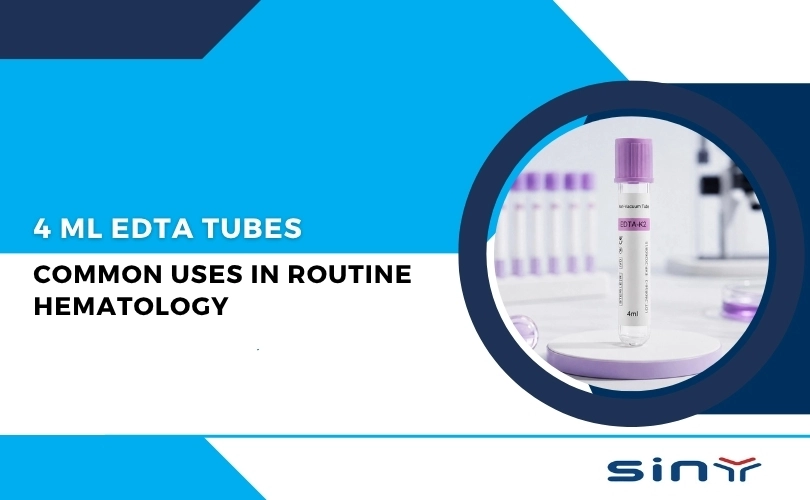
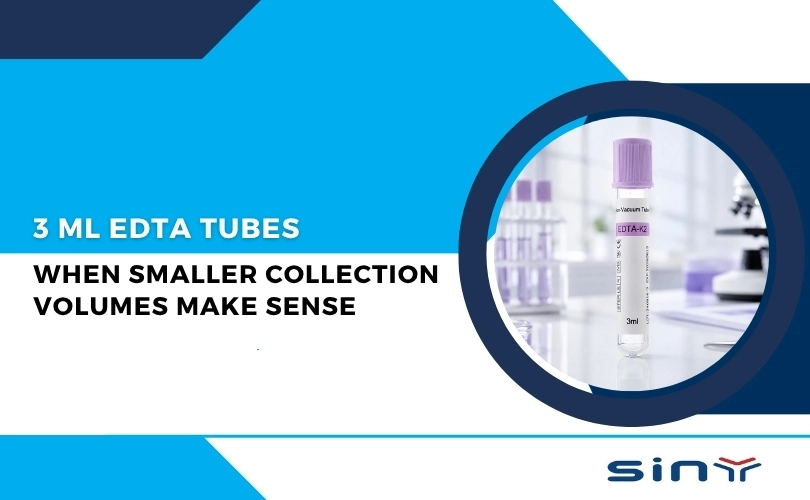
Choosing the right size improves transport stability, as detailed in this comparison guide on choosing between 2ml, 3ml, 4ml, and 5ml EDTA tubes and the broader explanation of EDTA tube sizes.
Plastic vs Glass EDTA Tubes in Transportation Studies
Modern stability studies overwhelmingly favor plastic EDTA tubes. Plastic resists breakage, reduces sample loss, and maintains vacuum integrity during transport. Glass tubes, while chemically inert, present safety risks and are less forgiving during transit.
Insights into tube manufacturing reveal how quality control influences stability, as outlined in the EDTA tube manufacturing process.
Transportation Protocols Backed by Stability Research
Standardized protocols reduce variability. Stability studies recommend gentle inversion after collection, upright transport, and protective packaging. Transport containers should limit movement while allowing airflow.
Improper disposal after transport can also pose risks, which is why guidelines like this resource on disposing of blood collection tubes are essential for compliance and safety.
Real-World Applications: Blood Banking and EDTA Transport
Blood banks rely heavily on stability data. EDTA tubes are often used for blood typing and cross-matching, where cellular integrity is non-negotiable. This detailed overview of blood banking with EDTA tubes highlights how transport conditions influence transfusion safety.
Future Trends in Blood Sample Transportation
As healthcare logistics evolve, so does tube technology. Innovations include temperature-resistant polymers, improved anticoagulant coatings, and smart labeling. The future of EDTA blood collection tubes points toward enhanced transport resilience and digital tracking.
Manufacturers like those featured on Siny Medical’s EDTA tube overview and industry platforms such as Made-in-China medical suppliers are actively shaping these advancements.
Educational content and demonstrations are also expanding through channels like Siny Medical’s YouTube resources, helping labs adopt evidence-based practices.
Why EDTA Tube Quality Matters More Than Ever
Quality directly affects transport outcomes. Poorly coated tubes or inconsistent vacuum levels undermine stability regardless of handling care. That’s why laboratories increasingly partner with specialized suppliers offering transparent specifications through platforms like edtatube products and curated EDTA tube categories.
For organizations seeking tailored advice, direct consultation through the contact page often leads to better procurement decisions.
Summary
The success of blood sample transportation in EDTA tubes depends on a synergy between chemistry and logistics. By selecting the correct EDTA tube, ensuring proper fill volumes, and maintaining a strict cold chain, laboratories can virtually eliminate pre-analytical errors. As diagnostic technology advances, the focus on the stability of these samples during transit will only grow, making it imperative for medical professionals to stay informed.
For more information on the latest in blood collection technology, feel free to visit our contact page or explore our YouTube channel for visual guides on proper collection techniques.
FAQs
How does blood sample transportation in EDTA tubes affect CBC accuracy?
Blood sample transportation in EDTA tubes directly influences CBC results because temperature changes and delays can alter cell size and count.
What is the ideal temperature for blood sample transportation in EDTA tubes?
Most stability studies recommend room temperature for blood sample transportation in EDTA tubes to preserve cellular morphology.
How long can samples remain stable during blood sample transportation in EDTA tubes?
Under proper conditions, blood sample transportation in EDTA tubes remains reliable for up to 24 hours for most hematology tests.
Do tube sizes impact blood sample transportation in EDTA tubes?
Yes, incorrect tube size can disrupt anticoagulant ratios, affecting blood sample transportation in EDTA tubes.
Are plastic EDTA tubes better for transportation stability?
Plastic tubes generally outperform glass in blood sample transportation in EDTA tubes due to durability and safety.