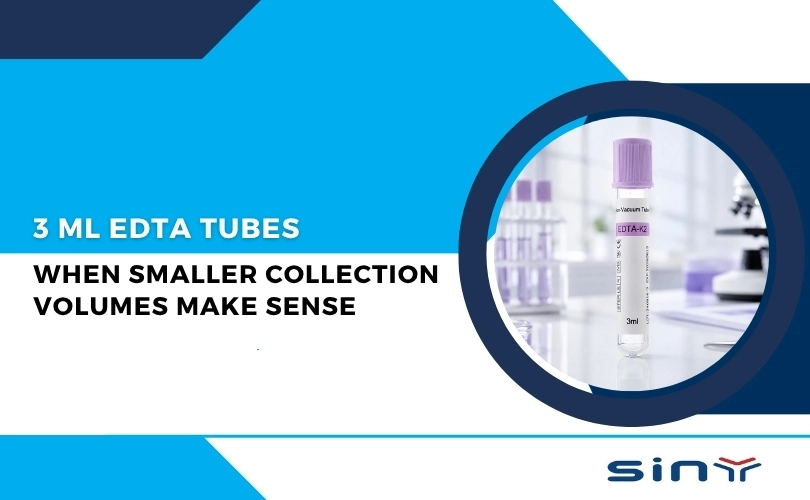
EDTA blood collection tubes are a cornerstone in modern medical diagnostics. These tubes, filled with ethylenediaminetetraacetic acid (EDTA), are widely used for preserving blood samples and ensuring accurate test results. Whether you’re a healthcare professional or a curious individual, understanding the benefits, uses, and specific applications of EDTA tubes is essential. This blog will provide a comprehensive guide to EDTA blood collection tubes, their purpose, and their role in various medical tests.
What Are EDTA Blood Collection Tubes?
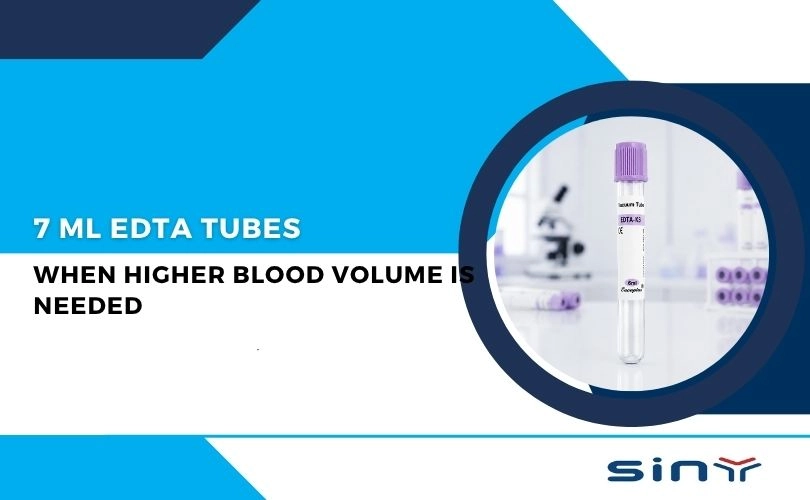
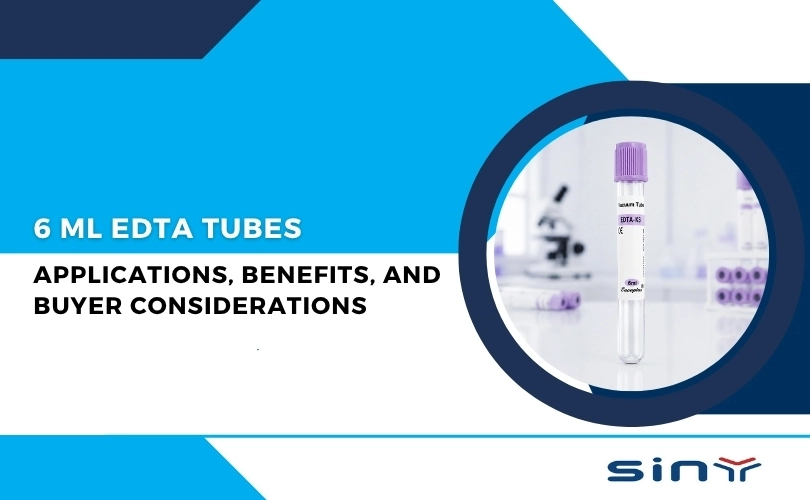
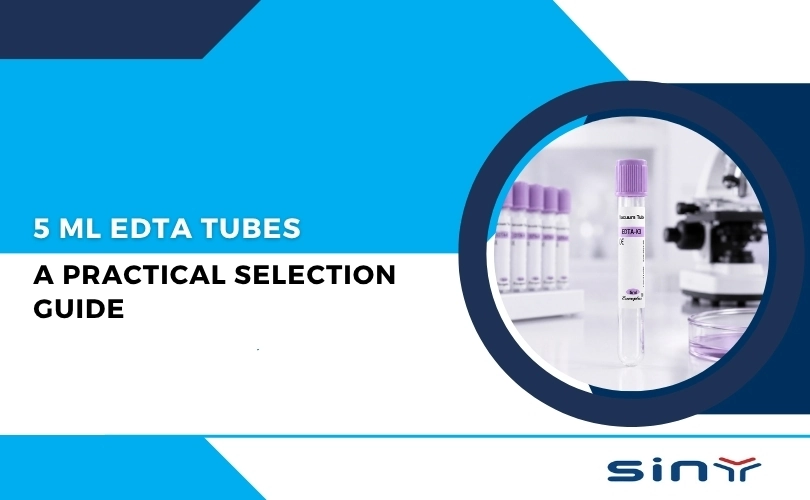
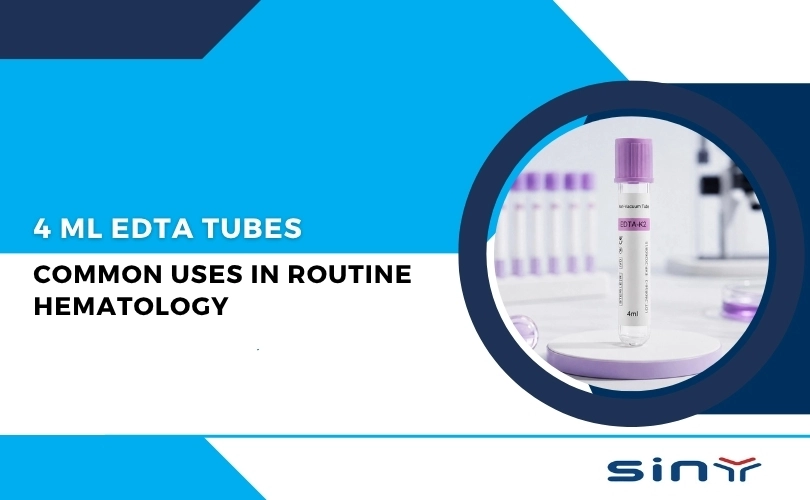
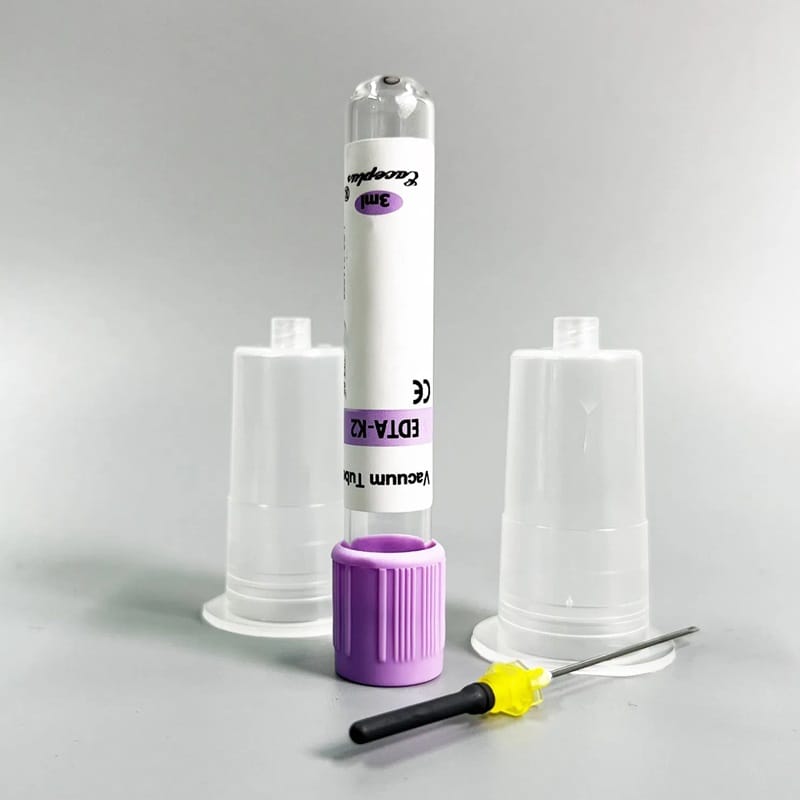
EDTA blood collection tubes are specialized vacuum tubes designed to collect and preserve blood samples for laboratory testing. The EDTA anticoagulant prevents blood from clotting by binding to calcium ions, which are essential for the coagulation process. These tubes are easily identifiable by their purple or lavender-colored caps, signaling their specific use in hematology and other diagnostic tests.
For more details on the types and uses of EDTA tubes, visit our EDTA Tube Product Category.
EDTA Tube Uses
EDTA tubes are versatile and used in a variety of medical tests. Here are some of their primary applications:
- Complete Blood Count (CBC): EDTA tubes are the standard choice for CBC tests, which analyze red blood cells, white blood cells, hemoglobin, hematocrit, and platelets.
- Blood Smear Preparation: These tubes are ideal for preparing blood smears for microscopic examination.
- Molecular Diagnostics: EDTA-preserved blood is often used in DNA and RNA extraction for genetic testing.
- Flow Cytometry: EDTA tubes are preferred for flow cytometry analysis, which studies cell populations and their characteristics.
- Immunohematology: These tubes are used in blood typing and cross-matching procedures.
For a detailed guide on how to use EDTA tubes properly, check out our How to Use EDTA Blood Collection Tubes Properly in 2025.
EDTA Blood Test Normal Range
Understanding the normal range of blood test results is crucial for interpreting diagnostic outcomes. Here are some common tests conducted using EDTA tubes and their normal ranges:
| Test | Normal Range |
|---|---|
| Hemoglobin (Hb) | 12-16 g/dL (women), 13-17 g/dL (men) |
| White Blood Cells (WBC) | 4,000-11,000 cells/µL |
| Platelets | 150,000-450,000 cells/µL |
| Hematocrit (Hct) | 36-46% (women), 40-52% (men) |
For more information on interpreting blood test results, visit our EDTA Blood Test Results Guide.
Benefits of EDTA Blood Collection Tubes
EDTA tubes offer multiple advantages, making them a standard choice in global laboratories.
1. Preserves Blood Cell Shape
Maintains RBC, WBC, and platelet morphology for accurate results.
2. Prevents Clotting
Chelates calcium which completely stops coagulation.
3. Allows High-Quality CBC Testing
Essential for daily hospital diagnostic workflows.
4. Suitable for Cold Storage
Samples remain stable for longer periods.
5. Supports Molecular Testing
Useful for PCR, viral RNA studies, and DNA analysis.
To understand tube longevity and proper storage, see:EDTA Blood Collection Tubes Expiration & Shelf Life Guide.
Types of EDTA Blood Collection Tubes
Several varieties exist depending on laboratory needs:
1. K2 EDTA Tubes
Dry spray anticoagulant. Preferred for routine CBC.
2. K3 EDTA Tubes
Liquid anticoagulant. Often used in donor screening and transfusion testing.
Manufacturers like SINY offer good examples such as:
10ml EDTA Tube With Purple Top
3. EDTA with Additives
Some tubes include sodium fluoride or other stabilizers for combined tests, such as:
Glucolysis Sampling Sodium Fluoride Plain EDTA Tube.
4. Whole Blood EDTA Tubes
Designed for hematology analyzers:
SINY Vacuum Blood Collection EDTA Tube (Whole Blood Tube).
How To Select Quality EDTA Tubes
Choosing reliable tubes is essential for laboratory accuracy. Factors include:
Sterility
Vacuum accuracy
Additive concentration
Shelf life
Leak-proof design
Clear volume markings
A full selection guide is available at:
How To Select Quality K3 EDTA Blood Collection Tubes.
Product examples from manufacturers include:
SINY EDTA 2–10 ml Supplier Tube
and
SINYMédical Product Catalog.
Their YouTube channel shares manufacturing videos:
SINYMédical YouTube Channel
Storage and Expiration of EDTA Tubes
Proper storage ensures accurate results. EDTA tubes should be kept:
In cool, dry areas
Away from direct sunlight
At manufacturer-recommended temperatures
For a complete reference, see:
Expiration & Shelf Life Guide.
Proper Collection Technique for EDTA Tubes
Correct blood collection prevents hemolysis and clotting. Important steps include:
Use the correct order of draw.
Gently invert the tube 8–10 times.
Avoid vigorous shaking.
Fill the tube to the recommended volume.
Store at the correct temperature.
For step-by-step instructions:
How To Use EDTA Blood Collection Tubes Properly in 2025.
K3 EDTA Tube Use
K3 EDTA is a specific formulation of EDTA used in blood collection tubes. It is a potassium salt of EDTA and is preferred for its stability and effectiveness in preventing clotting. K3 EDTA tubes are commonly used in:
- Hematology Tests: Including CBC and blood smear preparation.
- Transfusion Medicine: For blood typing and compatibility testing.
- COVID-19 Testing: EDTA-preserved blood is used in serological tests for antibody detection.
To explore the role of K3 EDTA tubes in transfusion medicine, read our K3 EDTA Blood Collection Tubes in Transfusion Medicine.
EDTA Tube Anticoagulant
The anticoagulant properties of EDTA make it indispensable in blood collection. By chelating calcium ions, EDTA prevents the activation of clotting factors, ensuring that blood remains in its liquid state. This is particularly important for tests that require whole blood or plasma samples.
For a deeper understanding of EDTA’s anticoagulant mechanism, visit our EDTA Blood Collection Tubes Expiration Shelf Life Guide.
EDTA Blood Test Purpose
EDTA blood tests serve multiple purposes in medical diagnostics. They are primarily used to:
- Assess Overall Health: Routine blood tests like CBC provide insights into a patient’s general health.
- Diagnose Diseases: Abnormal blood cell counts can indicate conditions like anemia, infections, or leukemia.
- Monitor Treatment: EDTA-preserved blood is used to track the effectiveness of treatments for various diseases.
- Genetic Testing: EDTA tubes are essential for DNA and RNA extraction in genetic diagnostics.
For more on the role of EDTA tubes in COVID-19 testing, visit our EDTA Blood Collection Tubes in COVID-19 Testing.
Choosing Quality EDTA Tubes
Selecting high-quality EDTA tubes is essential for accurate test results. Here are some factors to consider:
- Manufacturer Reputation: Choose tubes from reputable manufacturers like Siny Medical.
- Tube Volume: Ensure the tube size matches the required blood volume for the test.
- Expiration Date: Always check the expiration date to avoid using expired tubes.
- Certifications: Look for tubes that meet international standards for medical devices.
For tips on selecting quality EDTA tubes, read our How to Select Quality K3 EDTA Blood Collection Tubes.
Summary
EDTA blood collection tubes are an essential tool in medical diagnostics, offering reliable preservation of blood samples for a wide range of tests. From CBC to genetic testing, these tubes play a vital role in ensuring accurate and consistent results. By understanding their uses, benefits, and applications, healthcare professionals can make informed decisions about their diagnostic processes.
For more information on EDTA tubes and related products, visit EDTA Tube.
FAQs
1. What is an EDTA tube used for?
EDTA tubes are used for collecting blood samples for tests like CBC, blood smears, and molecular diagnostics.
2. What is the full form of EDTA?
EDTA stands for Ethylenediaminetetraacetic Acid.
3. What is the normal range for a CBC test?
Normal ranges vary, but hemoglobin typically ranges from 12-16 g/dL for women and 13-17 g/dL for men.
4. How does EDTA prevent blood clotting?
EDTA binds to calcium ions, inhibiting the coagulation process.
5. Can EDTA tubes be used for COVID-19 testing?
Yes, EDTA-preserved blood is used in serological tests for COVID-19 antibody detection.