White blood cell testing plays a critical role in modern diagnostic medicine. From identifying infections to monitoring immune system disorders, White Blood Cell Testing is one of the most frequently ordered laboratory investigations worldwide. Yet, despite its importance, many clinicians and laboratory professionals underestimate how much the accuracy of results depends on something seemingly simple—the blood collection tube.
Among all available options, EDTA tubes have become the gold standard for white blood cell analysis. Their chemical composition, material quality, and volume accuracy directly affect cell morphology, count precision, and result reliability. Choosing the wrong tube, or using it incorrectly, can compromise the entire test.
This in-depth guide explains why EDTA tubes are essential for White Blood Cell Testing, how they work, and what laboratories should consider when selecting them. Whether you manage a diagnostic lab, work in phlebotomy, or source medical consumables, this article will help you make informed decisions that protect result integrity and patient safety.
White Blood Cell Testing in Clinical Practice
White blood cells, also called leukocytes, are the body’s frontline defense against infection and disease. A typical adult has between 4,000 and 11,000 white blood cells per microliter of blood. Deviations from this range often signal underlying health issues.
White Blood Cell Testing is usually performed as part of a Complete Blood Count (CBC). According to the detailed overview of CBC testing on Wikipedia’s Complete Blood Count page, WBC analysis helps detect infections, inflammation, leukemia, immune disorders, and even medication side effects.
However, the accuracy of these measurements depends heavily on pre-analytical factors, especially the blood collection method. This is where EDTA tubes come into play.
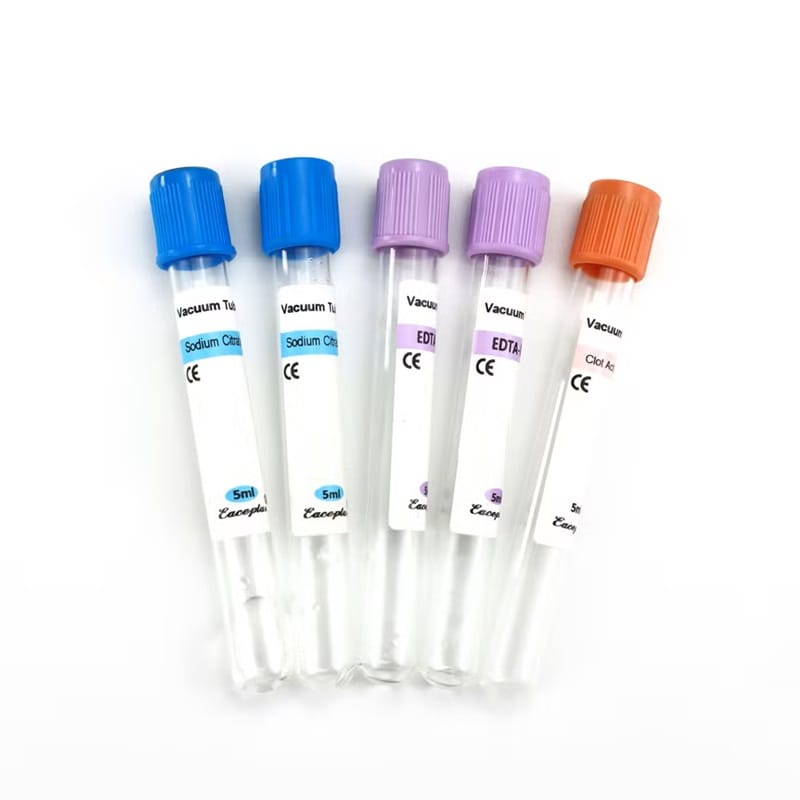
Why EDTA Is Essential for White Blood Cell Testing
EDTA, or ethylenediaminetetraacetic acid, is an anticoagulant that works by binding calcium ions in blood. Calcium is required for clot formation. When EDTA removes it, blood remains fluid and suitable for analysis.
For White Blood Cell Testing, EDTA offers several advantages that other anticoagulants cannot match.
Preservation of White Blood Cell Morphology
White blood cells are fragile. Improper anticoagulants can cause cell swelling, shrinkage, or rupture. EDTA preserves the natural shape and internal structure of leukocytes, which is crucial for both automated counts and manual microscopic examination.
Stable Cell Counts Over Time
EDTA minimizes cell aggregation and platelet clumping. This stability ensures consistent white blood cell counts, even if testing is delayed for a few hours after collection.
Compatibility with Hematology Analyzers
Most modern hematology analyzers are calibrated specifically for EDTA-anticoagulated samples. Using alternative tubes can trigger false readings or analyzer errors.
For a deeper explanation, the article “Why EDTA Tubes Are Preferred for White Blood Cell (WBC) Counts” on edtatube explains this preference in clinical detail.
How EDTA Tubes Work in White Blood Cell Testing
EDTA tubes contain a precise amount of anticoagulant, usually K2EDTA or K3EDTA, coated on the inner tube wall. Once blood enters the tube, gentle inversion ensures even mixing.
This controlled environment allows:
• Accurate leukocyte differentiation
• Reliable total WBC counts
• Minimal sample degradation
• Consistent analyzer performance
Manufacturing precision is critical here. Even small deviations in EDTA concentration can alter results. The detailed EDTA tube manufacturing process described by Siny Medical shows how strict quality control ensures uniform performance.
Types of EDTA Tubes Used for White Blood Cell Testing
Not all EDTA tubes are identical. Selection depends on material, volume, and laboratory workflow.
Glass vs Plastic EDTA Tubes
Historically, glass tubes were standard. Today, plastic EDTA tubes dominate the market.
According to edtatube’s comparison of glass and plastic EDTA tubes, plastic tubes offer improved safety, reduced breakage, and better compatibility with automated systems. They are also lighter and easier to transport.
For general material knowledge, you can explore the science behind plastics on Wikipedia’s Plastic page.
Tube Volume and Its Impact on Accuracy
Tube size matters more than many realize. Underfilling or overfilling alters the blood-to-EDTA ratio, which directly affects White Blood Cell Testing results.
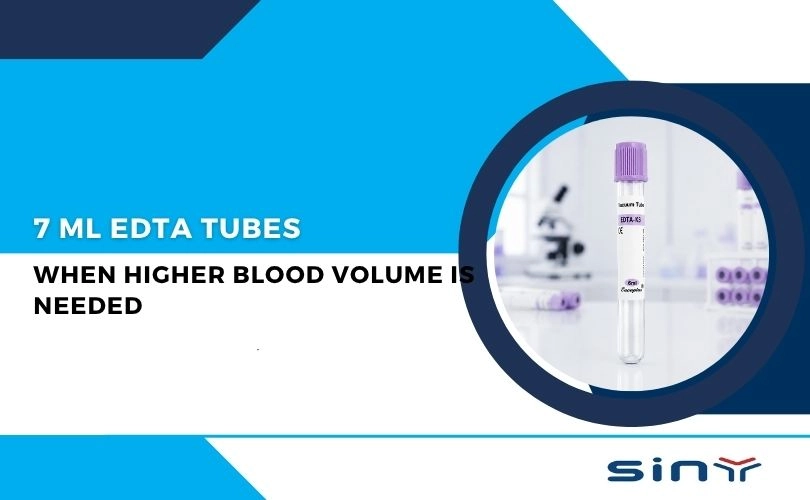
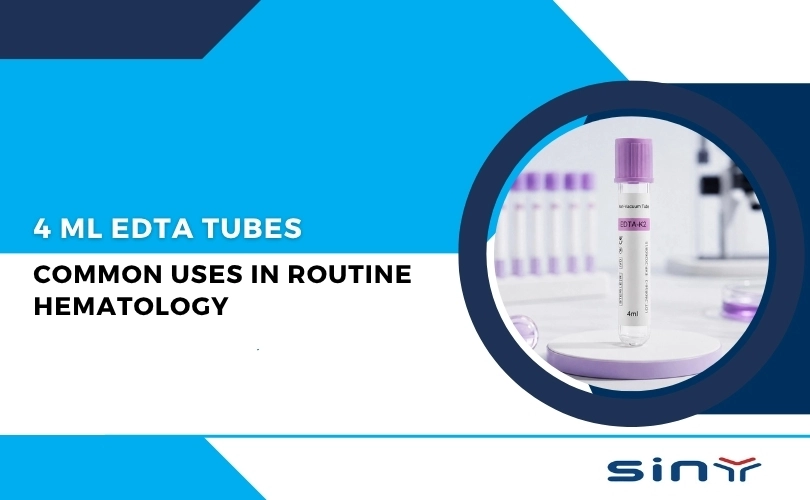
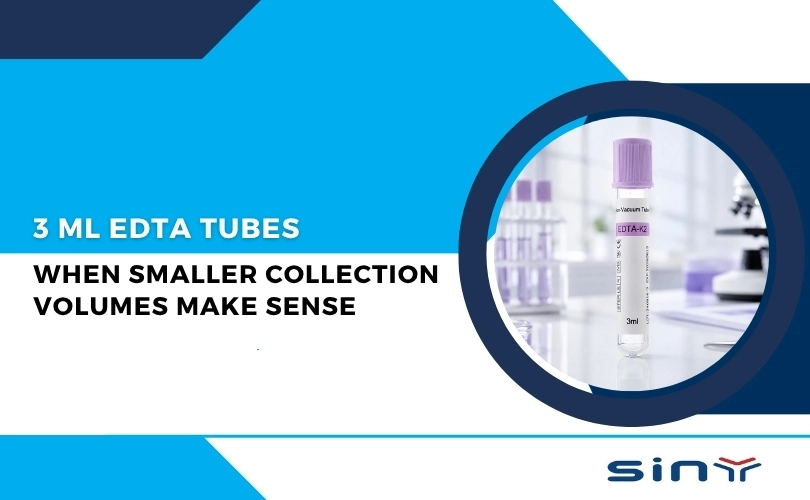
Common EDTA tube sizes include 2ml, 3ml, 4ml, 5ml, 6ml, and 10ml. Choosing the correct volume depends on patient type and testing requirements.
Guides like “Choosing Between 2ml, 3ml, 4ml, and 5ml EDTA Tubes” on edtatube and the broader EDTA tube sizes explained resource at edtatube help laboratories avoid volume-related errors.
EDTA Tube Color Coding and Standards
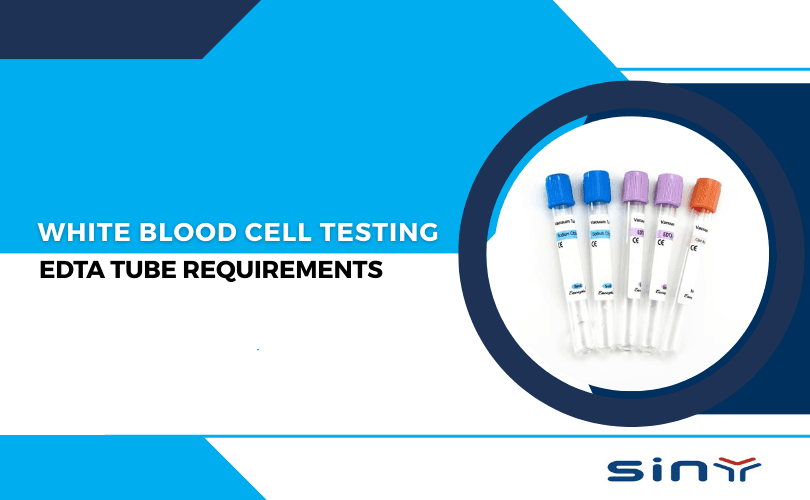
EDTA tubes are universally identified by their lavender or purple caps. This color coding follows international laboratory standards and helps prevent sample handling errors.
Using the wrong tube color can result in test rejection, recollection, and patient discomfort. For White Blood Cell Testing, lavender-top EDTA tubes are non-negotiable.
Pre-Analytical Errors in White Blood Cell Testing
Despite advanced analyzers, most laboratory errors occur before the sample reaches the machine.
Common EDTA-related mistakes include:
• Inadequate mixing after collection
• Incorrect fill volume
• Expired tubes
• Exposure to extreme temperatures
Each of these can distort white blood cell counts or morphology. High-quality EDTA tubes from trusted suppliers significantly reduce these risks.
You can explore professionally manufactured EDTA products through the EDTA tube product category available on edtatube.com.
Quality Materials Matter in EDTA Tubes
The materials used in EDTA tubes affect chemical stability, vacuum integrity, and long-term storage.
The article “What Materials Are Used in Your EDTA Tubes?” on edtatube explains how medical-grade plastics, rubber stoppers, and coating techniques contribute to reliable White Blood Cell Testing outcomes.
Storage, Transport, and Disposal Considerations
Proper handling doesn’t stop after collection. EDTA samples should be stored at controlled temperatures and transported carefully to avoid agitation or hemolysis.
Once testing is complete, safe disposal is equally important. The guide on disposing of blood collection tubes outlines best practices to protect healthcare workers and the environment.
Regulatory Standards and Global Usage
Globally, EDTA tubes are regulated under ISO and CE standards. Compliance ensures consistent performance across laboratories and regions.
Manufacturers like those featured on Siny Medical’s EDTA tube page and their complete guide to EDTA tubes demonstrate how standardized production supports global diagnostic accuracy.
For additional educational content, laboratories often reference instructional videos from sources like Siny Medical’s YouTube channel.
Why Choosing the Right Supplier Matters
Not all EDTA tubes are created equal. Substandard products can compromise White Blood Cell Testing, leading to repeat tests and clinical uncertainty.
Trusted suppliers focus on:
• Accurate vacuum calibration
• Uniform EDTA coating
• Durable tube materials
• Clear labeling and compliance
You can explore verified EDTA tube options directly on the EDTA Tube homepage or browse available products at products.
If you need guidance, the team at edtatube’s contact page offers expert support.
Future Trends in White Blood Cell Testing
Automation, AI-driven analyzers, and digital microscopy continue to evolve. Yet, even the most advanced systems rely on high-quality samples.
EDTA tubes remain foundational to accurate White Blood Cell Testing, and innovations now focus on improved coatings, eco-friendly materials, and enhanced sample stability.
Summary
Accurate White Blood Cell Testing begins long before a sample reaches the analyzer. EDTA tubes play a decisive role in preserving cell integrity, ensuring stable counts, and supporting reliable diagnoses. By choosing the right tube material, volume, and supplier, laboratories can significantly reduce errors and improve patient outcomes. As diagnostic technologies advance, EDTA tubes remain a foundational component of trustworthy white blood cell analysis. Get for more information visit, edtatube and contact us.
FAQs
Why are EDTA tubes mandatory for White Blood Cell Testing?
EDTA tubes prevent clotting while preserving white blood cell structure, making them essential for accurate White Blood Cell Testing and analyzer compatibility.
Can underfilled EDTA tubes affect White Blood Cell Testing results?
Yes. Incorrect blood-to-EDTA ratios can distort cell counts and compromise White Blood Cell Testing accuracy.
How long can EDTA samples be stored before White Blood Cell Testing?
Most EDTA samples remain stable for 24 hours at room temperature, but prompt White Blood Cell Testing is always recommended.
Are plastic EDTA tubes better than glass for White Blood Cell Testing?
Plastic tubes are safer, lighter, and more compatible with automation, making them ideal for routine White Blood Cell Testing.
Does EDTA interfere with any White Blood Cell Testing parameters?
When used correctly, EDTA does not interfere. Instead, it enhances the reliability of White Blood Cell Testing results.