A Complete Blood Count (CBC) is one of the most frequently ordered laboratory tests worldwide. Physicians rely on it to evaluate overall health, detect infections, diagnose anemia, monitor chronic diseases, and assess treatment effectiveness. While most healthcare professionals focus on the analytical results, the accuracy of a CBC begins long before the sample reaches the laboratory analyzer.
The quality of the blood collection tube plays a crucial role in obtaining reliable results. This is why the EDTA tube for CBC test has become the gold standard in hematology laboratories across the globe.
Without the proper anticoagulant, blood cells can clot, change shape, or deteriorate before analysis. These changes may lead to inaccurate counts and potentially affect clinical decisions. For this reason, healthcare facilities consistently choose EDTA tubes when performing CBC testing.
In this article, we will explore why the EDTA tube for CBC test is indispensable, how it works, its advantages over other blood collection tubes, and best practices for ensuring high-quality blood samples.
What Is a Complete Blood Count (CBC)?
A Complete Blood Count is a routine laboratory test that measures the cellular components of blood. According to information from the official article on the Complete Blood Count overview, CBC testing evaluates red blood cells, white blood cells, hemoglobin, hematocrit, and platelets.
Doctors use CBC testing to:
- Diagnose anemia
- Detect infections
- Monitor inflammatory conditions
- Evaluate immune system health
- Monitor cancer treatments
- Assess blood disorders
Because these measurements depend on intact blood cells, sample preservation becomes critical. This is where the EDTA tube for CBC test proves its value.
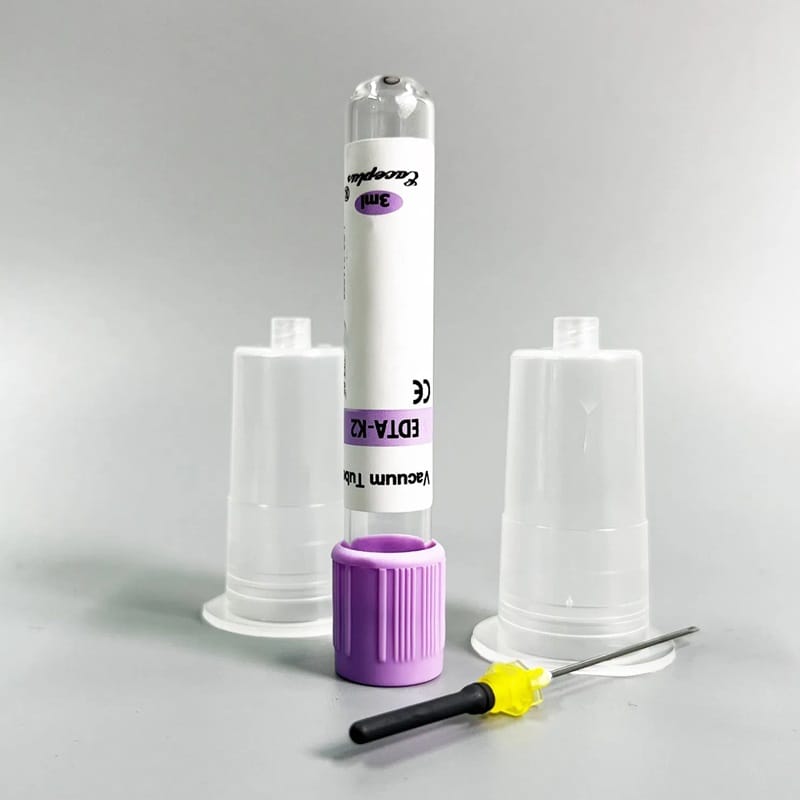
EDTA Tubes
EDTA stands for Ethylenediaminetetraacetic Acid. It is an anticoagulant that prevents blood clotting by binding calcium ions.
Calcium is essential for the clotting cascade. Once EDTA removes available calcium, blood remains in a liquid state, allowing laboratory analyzers to accurately measure blood cells.
Modern EDTA tubes are widely available in different sizes and configurations. Healthcare professionals can explore various options through the EDTA Tube Product Collection.
The most common EDTA tubes used in hematology include:
K2 EDTA Tubes
K2 EDTA is spray-coated inside the tube wall. It provides excellent preservation of cellular morphology and is commonly used for automated CBC testing.
K3 EDTA Tubes
K3 EDTA is supplied in liquid form. While still effective, many laboratories prefer K2 EDTA because it minimizes sample dilution.
Why the EDTA Tube for CBC Test Is the Industry Standard
The relationship between CBC testing and EDTA tubes is inseparable because of how blood cells behave after collection.
Preserves Cell Morphology
Blood cells begin to change shape after collection. If clotting occurs, laboratory instruments cannot accurately count cells.
The EDTA tube for CBC test preserves the natural structure of:
- Red blood cells
- White blood cells
- Platelets
Maintaining cell morphology ensures reliable microscopic examination and automated analysis.
Prevents Clot Formation
Even tiny clots can interfere with CBC results.
A properly mixed EDTA tube prevents clotting, ensuring accurate platelet and white blood cell counts.
Supports Automated Analyzers
Modern hematology analyzers are calibrated specifically for EDTA-preserved samples.
As a result, laboratories worldwide standardize CBC testing using EDTA tubes to achieve consistency.
Delivers Accurate Platelet Counts
Platelets are particularly sensitive to sample handling.
An EDTA tube for CBC test minimizes platelet aggregation and supports precise platelet measurements.
How EDTA Works in Blood Collection
The science behind EDTA is straightforward yet highly effective.
When blood enters the collection tube, EDTA immediately binds calcium ions. Without calcium, clotting proteins cannot activate.
This process keeps blood fluid and preserves cellular integrity during transport and testing. The effectiveness of EDTA explains why it remains the preferred anticoagulant for hematology applications decades after its introduction.
Healthcare providers interested in understanding CBC applications can review the detailed guide on EDTA Tubes in Hematology for CBC Tests.
Components Measured in a CBC Test
The accuracy of each CBC parameter depends on the quality of the sample.
Red Blood Cell Count
RBC measurements help diagnose anemia and other blood disorders. If clotting occurs, RBC counts become unreliable.
White Blood Cell Count
WBC analysis helps identify infections and immune system abnormalities. The EDTA tube for CBC test preserves leukocyte structure for accurate counting.
Hemoglobin
Hemoglobin levels indicate oxygen-carrying capacity. Stable samples ensure dependable measurements.
Hematocrit
Hematocrit reflects the percentage of blood volume occupied by red blood cells. Proper anticoagulation prevents errors caused by clot formation.
Platelet Count
Platelets play a vital role in blood clotting. Their accurate measurement depends heavily on EDTA preservation.
Comparison of EDTA Tubes and Other Blood Collection Tubes
| Tube Type | Additive | Primary Use | Suitable for CBC |
|---|---|---|---|
| EDTA Tube | K2 EDTA or K3 EDTA | Hematology | Yes |
| Serum Tube | Clot Activator | Chemistry Testing | No |
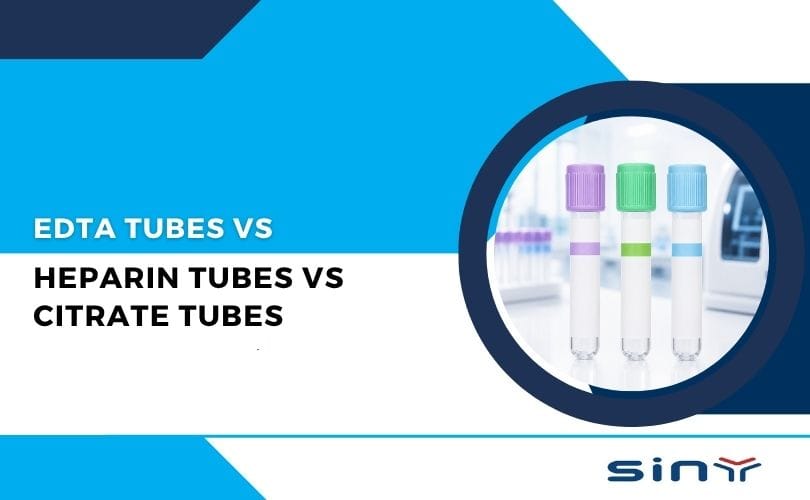
| Citrate Tube | Sodium Citrate | Coagulation Studies | Limited |
| Heparin Tube | Lithium Heparin | Clinical Chemistry | No |
| Fluoride Tube | Sodium Fluoride | Glucose Testing | No |
This comparison highlights why the EDTA tube for CBC test remains unmatched for routine hematology analysis.
Choosing the Right EDTA Tube Size for CBC Testing
Tube size matters more than many people realize. Different patient populations require different blood volumes.
Common sizes include:
| Tube Size | Typical Use |
|---|---|
| 2ml | Pediatric samples |
| 3ml | Small volume CBC testing |
| 4ml | Routine hematology |
| 5ml | Standard CBC collection |
| 6ml | High-volume laboratory use |
| 10ml | Multiple hematology analyses |
For detailed guidance, readers can explore:
- How to Select the Right EDTA Tube Size
- EDTA Tube Size Guide 2ml to 10ml
- What Size EDTA Tube Should You Use?
Errors When Using an EDTA Tube for CBC Test
Even the best tube cannot compensate for poor collection practices.
Underfilling the Tube
Each tube contains a specific EDTA concentration. Too little blood increases the anticoagulant-to-blood ratio, potentially affecting results.
Inadequate Mixing
After collection, tubes should be gently inverted according to laboratory guidelines. Failure to mix properly may cause microclots.
Delayed Analysis
Although EDTA preserves blood cells effectively, prolonged storage can still affect morphology. Timely analysis produces the best results.
Incorrect Tube Selection
Using serum or heparin tubes instead of an EDTA tube for CBC test may invalidate CBC results.
Why Laboratories Trust EDTA Tubes Worldwide
Global laboratory standards consistently recommend EDTA for hematology testing.
Several factors explain this preference. First, EDTA preserves blood cells exceptionally well. Second, it minimizes pre-analytical errors.
Third, automated analyzers are optimized for EDTA-preserved samples. Finally, EDTA tubes are cost-effective and widely available. These benefits have established EDTA as the gold standard for CBC analysis.
Readers interested in additional testing applications can visit EDTA Tube Test List From CBC to Flow Cytometry.
The Importance of Quality Manufacturing
Not all blood collection tubes are manufactured to the same standards.
High-quality tubes feature:
- Precise additive volumes
- Consistent vacuum performance
- Sterile production conditions
- Reliable sealing systems
Premium manufacturers invest heavily in quality control to ensure laboratory reliability.
For healthcare organizations seeking dependable products, the complete range of solutions can be found at EDTA Tube Products.
Future Trends in CBC Testing and EDTA Tubes
Laboratory medicine continues to evolve. Automation, digital pathology, and artificial intelligence are transforming diagnostic workflows.
Despite these advances, the EDTA tube for CBC test remains fundamental. Future developments are expected to focus on:
- Enhanced tube materials
- Improved sample stability
- Eco-friendly manufacturing
- Advanced automation compatibility
Industry experts discuss emerging developments in the Future of EDTA Blood Collection Tubes 2026.
Why Siny Medical EDTA Tubes Are Widely Used
Healthcare providers often seek reliable manufacturers with consistent quality standards.
Additional information about EDTA tube manufacturing can be found through:
These resources provide insights into production capabilities and product applications within modern laboratory settings.
Best Practices for CBC Sample Collection
Accurate CBC results begin with proper collection procedures. Healthcare professionals should: Select the correct tube size for the patient. Confirm tube expiration dates before use. Follow standard venipuncture protocols. Fill tubes to the designated volume. Mix gently immediately after collection. Transport samples according to laboratory guidelines.
These practices maximize the performance of every EDTA tube for CBC test and help ensure reliable patient results.
Summary
The connection between CBC testing and EDTA tubes is fundamental to modern laboratory medicine. Without proper anticoagulation, blood samples can clot, cell morphology can change, and laboratory results can become unreliable.
The EDTA tube for CBC test provides the ideal environment for preserving red blood cells, white blood cells, and platelets from collection through analysis. Its ability to prevent clotting while maintaining cellular integrity has made it the global standard for hematology testing.
Whether performing routine health screenings, diagnosing disease, or monitoring treatment outcomes, healthcare professionals continue to rely on the EDTA tube for CBC test because accuracy starts with the right sample collection system.
For additional information about EDTA tube solutions, specifications, and product options, visit EDTATube or contact the team through Contact Us.
FAQs
Q: Why is an EDTA tube used for CBC testing?
A: An EDTA tube for CBC test prevents clot formation and preserves blood cell morphology, allowing laboratories to generate accurate blood counts.
Q: What color tube is typically used for CBC tests?
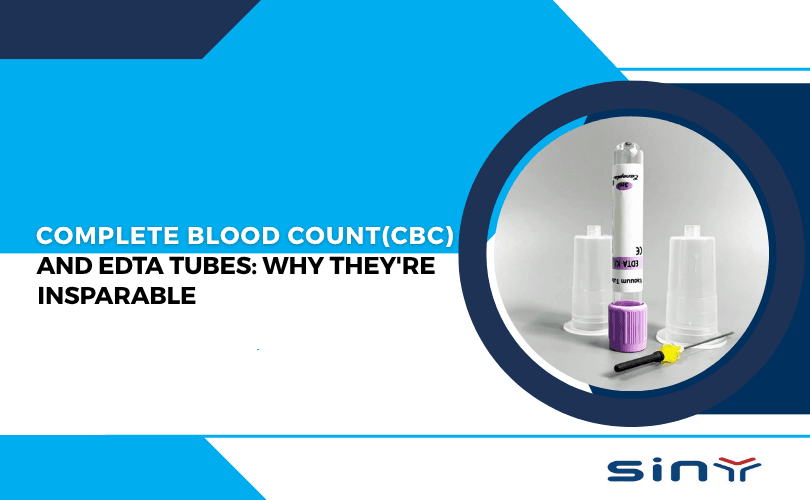
A: Most laboratories use a lavender or purple-top EDTA tube for CBC test because it contains the appropriate anticoagulant for hematology analysis.
Q: Can a CBC test be performed without an EDTA tube?
A: Although other anticoagulants exist, the EDTA tube for CBC test remains the preferred choice because it offers superior preservation of blood cells.
Q: What happens if an EDTA tube is underfilled?
A: An underfilled EDTA tube for CBC test may alter the blood-to-additive ratio, potentially affecting cell counts and laboratory accuracy.
Q: Which EDTA tube size is best for routine CBC testing?
A: The ideal EDTA tube for CBC test depends on laboratory requirements, but 4ml, 5ml, and 6ml tubes are commonly used for routine adult CBC analysis.
Q: How long can blood remain in an EDTA tube before testing?
A: Most laboratories recommend prompt analysis, although an EDTA tube for CBC test preserves cellular components effectively during standard transport and processing times.